
If you’ve ever whispered “enough is enough,” Dental implants is your solution. you’re not alone. Thousands of patients face the same daily frustrations — slipping plates, sore gums, and meals filled with limits.
Tired of loose dentures that slip, hurt, and hold you back from eating what you love? This is where dental implants come in.
Dental implants offer a secure, natural-looking way to eat, smile, and live without fear — but here’s the truth most clinics don’t tell you: not everyone is an ideal candidate. Your gum health, bone density, and habits all play a crucial role in long-term success.
The good news? With today’s advanced techniques like bone grafting and sinus lifts, more people than ever can now qualify for implants — even those who were once told “no.”
In this guide, you’ll discover the 4 essential qualities every successful implant patient shares — and what to do if you’re not there yet.
👉 Take the first step toward a smile that feels truly yours again.
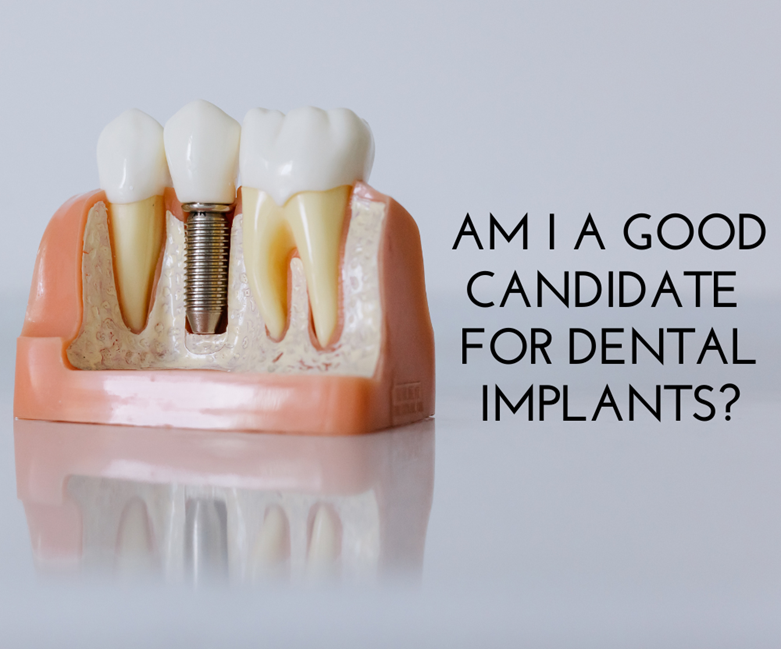
Why Dental Implants Are Life-Changing Compared to Bridges or Dentures
Dental implants represent a revolution in restorative dentistry. Unlike removable dentures or bridges, which only replace the crown of the tooth, implants provide a permanent, titanium artificial root that fuses with your jawbone. This strong foundation not only creates function and aesthetics similar to a natural tooth but also prevents jawbone deterioration, offering long-term benefits for your health and quality of life.
Common frustrations: loose plates, speech problems, and food restrictions.
Many users of removable dentures or bridges grapple with familiar challenges:
- Loose and Unstable Dentures: Dentures can slip while speaking or eating, causing embarrassment and discomfort.
- Speech Problems: Adapting to a denture can initially make it difficult to pronounce certain words.
- Dietary Restrictions: The need to avoid hard or sticky foods like apples, steak, or toffees, as they can dislodge a denture or damage a bridge.
- Jawbone Deterioration: A bridge relies on adjacent teeth for support, and a removable denture does not prevent the progressive bone loss beneath it.

How dental implants solve them (fixed, natural-looking, and preserve bone)
Dental implants directly resolve these challenges:
- A Fixed, Permanent Solution: Implants are secured in place just like your natural teeth, eliminating any concerns about movement or slipping.
- Fully Functional and Natural: They allow you to speak with complete confidence and enjoy your food without restrictions.
- Preserves Facial Structure: By mimicking a tooth root, they transfer chewing forces to the jawbone, stimulating it to maintain itself. This prevents the bone loss that occurs after tooth loss, preserving your natural facial contour.
Determining if you are a suitable dental implant candidate depends on key factors such as your gum health and bone density for implants. If you are asking yourself, “Am I a candidate for dental implants in Forest Hill, London?”, a consultation with Dr Arman Barfeie at his practice in Forest Hill, London, can provide a clear answer and a personalised path to becoming an ideal dental implant candidate.
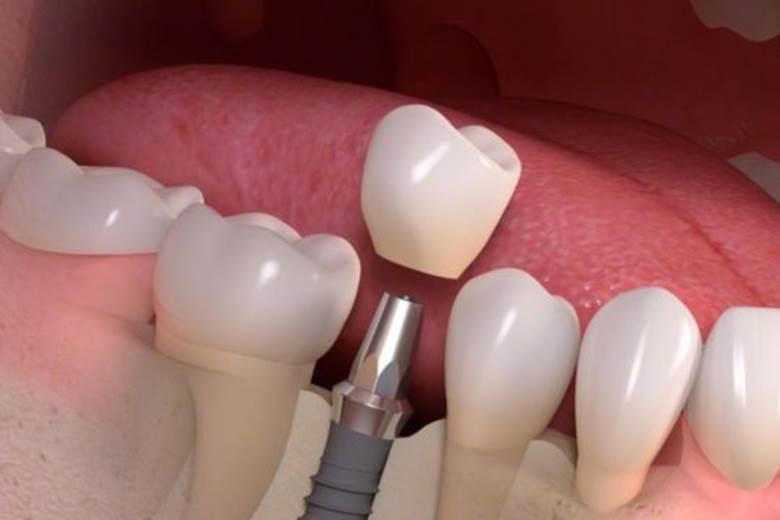
4 Must-Have Qualities Every dental Implants Candidate Needs
Receiving dental implants is a successful long-term investment in your health and quality of life. To ensure this treatment is successful and lasts for many years, Dr Arman Barfeie will assess several key factors. These criteria help to create a strong foundation for your new smile. Understanding the core dental implant requirements in the UK is the first step in determining if you are a suitable dental implant candidate.
Healthy gums & sufficient bone density
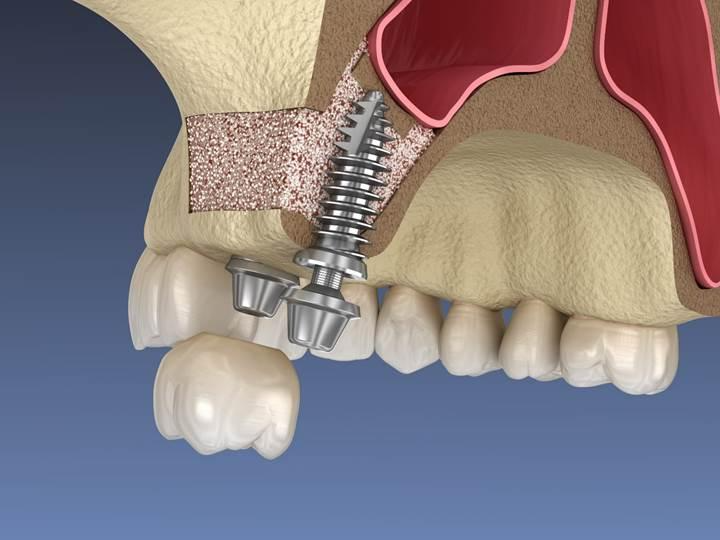
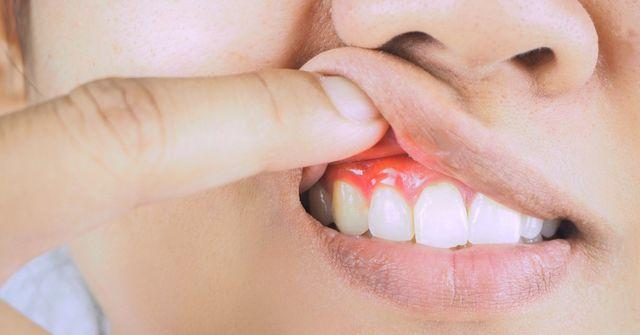
Healthy gums and adequate bone are the physical cornerstones of a successful implant. Gums free from active disease (such as gingivitis or periodontitis) prevent infection around the implant site. Furthermore, your jawbone must have sufficient volume and density to securely hold the implant. If bone loss has made the bone inadequate, it can often be rebuilt through a bone grafting procedure to create the necessary foundation. In the upper jaw, a sinus lift may also be required to generate enough jawbone support. Prior gum disease treatment is often essential to ensure a healthy environment.
Overall health & habits (smoking, diabetes, medications)
Your overall health directly impacts your ability to heal after surgery. Conditions like uncontrolled diabetes can slow the healing process. A common question we hear is, “Can smokers get dental implants?” While it is possible, smoking significantly increases the risk of implant failure by reducing blood flow to the gums. It is crucial to discuss all medical conditions and medications with your dentist, as some can affect bone healing.
Oral hygiene commitment
Just like natural teeth, implants require consistent care and maintenance. A commitment to a meticulous hygiene routine—including brushing, using specialist implant floss, and attending regular dental check-ups—is essential to prevent “peri-implantitis” (gum disease around the implant), which can lead to treatment failure. This commitment is a defining characteristic of a successful dental implant candidate.
Realistic expectations for process & timeline
Implant treatment is not an instant process; it is a planned journey. From placing the implant fixture in the bone to attaching the final tooth, it typically takes several months for the bone to integrate with the implant (osseointegration) properly. Understanding this timeline and having the necessary patience is key to being satisfied with the outcome. For a personal assessment to see if you meet these criteria, a consultation with Dr Arman Barfeie at our practice in Forest Hill, London, is highly recommended to determine if you are the right dental implant candidate.
What If You’re Not a Perfect Candidate?
The notion that only people in perfect condition can receive implants is a common misconception. Modern advancements in dentistry provide numerous solutions for individuals facing challenges such as bone deficiency or specific health conditions. If you do not fully meet the initial criteria, it is not the end of the road; it simply means a personalised treatment plan needs to be designed. For many, this is the first step in their journey to becoming a successful dental implant candidate.
Alternatives include implant overdentures, bridges, and partial dentures
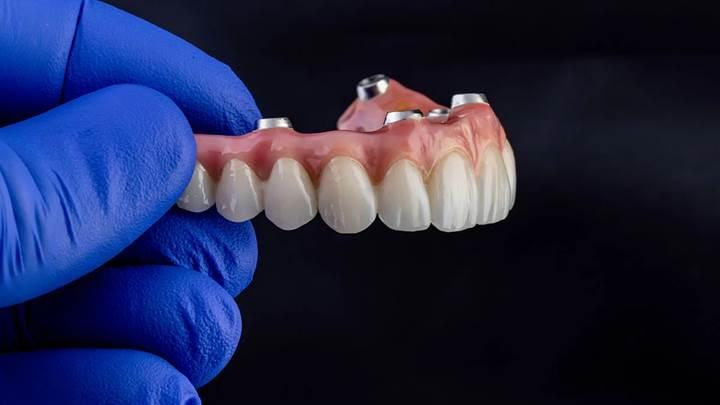
- Implant-Supported Overdentures: An excellent option for those with complete removable dentures who suffer from a lack of stability. This method uses just 2 to 4 implants to ‘snap’ and secure the denture in place. It provides remarkable stability, eliminates the need for adhesives, and restores confidence, all at a lower cost than a full arch of individual implants.
- Traditional Fixed Bridge: If you have a gap from one or several missing teeth and the adjacent teeth are healthy and strong, this option can fill the space by preparing these neighbouring teeth to support a prosthetic bridge.
- Partial Denture: A removable and cost-effective option for replacing several missing teeth.
Advanced solutions: bone graft, sinus lift, 4D Dentistry
- Bone Grafting: If your jawbone isn’t thick or tall enough, it can be rebuilt using grafting materials. This procedure creates a solid foundation for a future implant, directly addressing issues of inadequate jawbone support.
- Sinus Lift: This specialised procedure increases bone height in the upper jaw, creating sufficient space for an implant where the sinus cavity would otherwise be too close.
- 4D Dental Technology: This advanced technology utilises CT scans and design software to enable dentists to plan implant positions with millimetre precision, taking into account vital anatomical structures such as nerves and sinuses. This maximises the safety and success of the procedure, especially in complex cases.
It is essential to understand who is not a candidate for dental implants without these advanced solutions—typically those with severe, untreated bone loss or uncontrolled medical conditions. However, there is no strict upper dental implant age limit; health and bone quality are far more important than chronological age. Through procedures like bone grafting and a sinus lift, many patients can successfully transition into a suitable dental implant candidate. For a comprehensive assessment of your options, a consultation with Dr Arman Barfeie in Forest Hill, London, is the best way forward.
Take the First Step Toward a Confident Smile
If you have been living with missing teeth, removable dentures, or bridges for years, you might assume that dental implants are not an option for you. We invite you to set that assumption aside. Even if you feel you may not qualify, many patients in a similar situation to yours have been successful dental implant candidates. Modern technologies and techniques have made treatment possible for a wide range of patients. The first and most crucial step is a specialised consultation to review all the options available to you clearly. Dr Arman Barfeie and his team are dedicated to providing this personalised assessment, helping you explore the path to a restored smile with confidence.
FAQ
1. What are the basic health requirements for dental implants?
Good overall health is key. Well-controlled chronic conditions (like diabetes or hypertension) are usually fine, but active gum disease must be treated first. The most critical factors are healthy gums and a sufficient jawbone to support the implants.
2. Is there an age limit for getting implants?
There is no upper age limit. As long as you are in good health, you can be a candidate. For younger patients, we wait until jaw growth is complete, typically around age 18-21.
3. Can I get implants if I have gum disease (periodontitis)?
You can, but not immediately. Any active gum disease must be successfully treated and under control first. Implants require a healthy foundation, and untreated periodontitis is a leading cause of implant failure.
4. What if I smoke?
Smoking significantly reduces the success rate of implants. It impairs healing and increases the risk of infection and failure. We strongly advise patients to quit or, at the very least, commit to stopping for a period before and after the procedure.
5. How does diabetes affect my eligibility?
Well-controlled diabetes typically does not prevent you from getting implants. However, uncontrolled blood sugar can severely hinder healing and increase the risk of complications, making the procedure less predictable.
6. What if I don’t have enough jawbone?
Bone loss is common after tooth loss, but it doesn’t automatically disqualify you. Procedures like bone grafting or sinus lifts can often rebuild the bone to create a suitable foundation for implants.
7. Are implants suitable for replacing a single tooth?
Yes, this is one of the most common and practical uses. A single implant replaces the root and crown without affecting the neighbouring healthy teeth, making it the ideal solution for a single missing tooth.
8. Can implants be used if I have dentures?
Absolutely. Implants can be used to stabilise and retain loose dentures (implant-retained dentures) securely or to support a full arch of fixed, non-removable teeth (such as an All-on-4 bridge), thereby transforming your quality of life.
9. How do I know for sure if I’m a candidate?
The only way to know for sure is with a comprehensive consultation. This includes a 3D CT scan to precisely measure your bone density and volume, as well as a thorough review of your medical and dental history.
10. What are the most significant reasons someone might not be a candidate?
The main reasons are uncontrolled chronic diseases (like diabetes or heart disease), active gum disease, heavy smoking, significant untreated bone loss without the willingness to have a graft, or a compromised immune system.