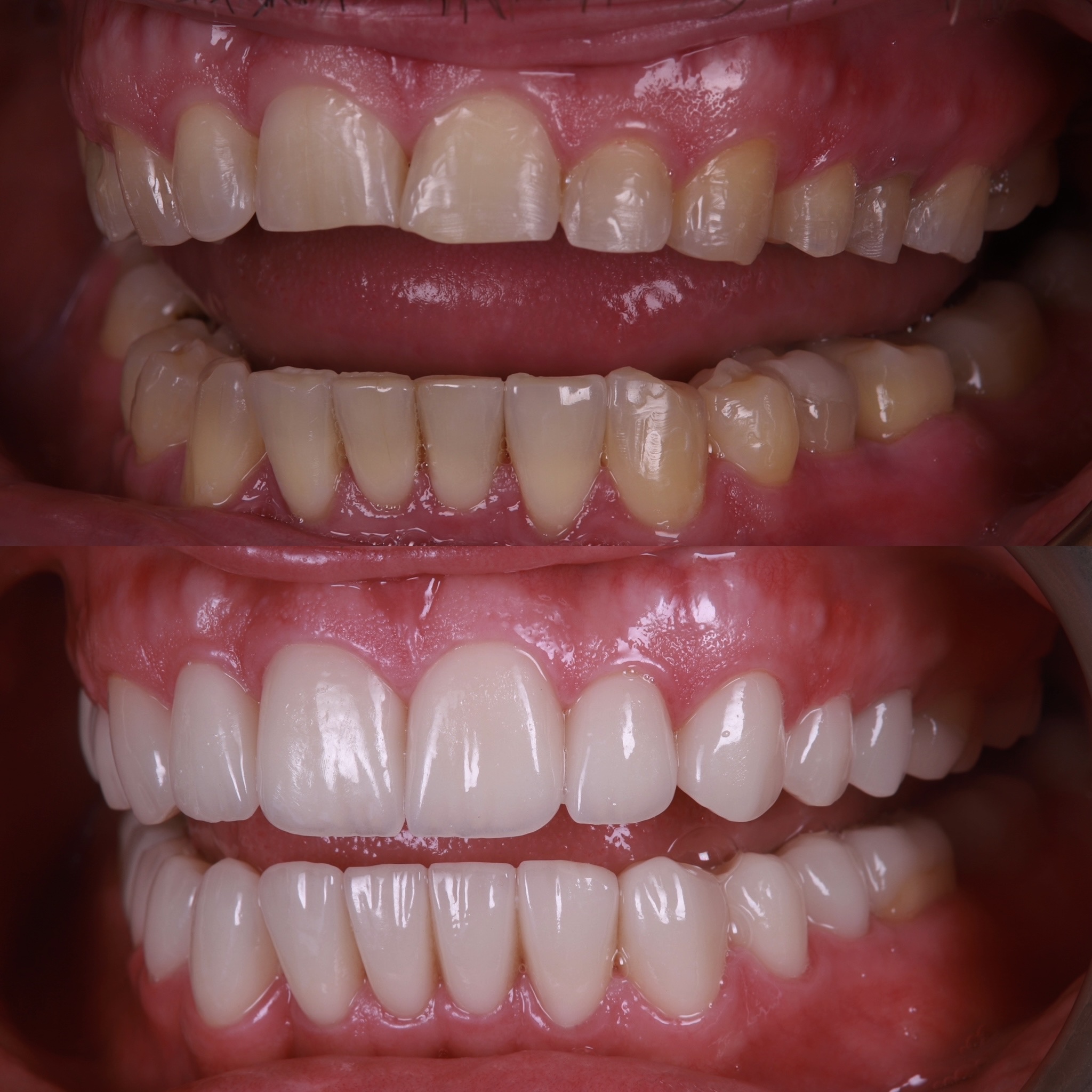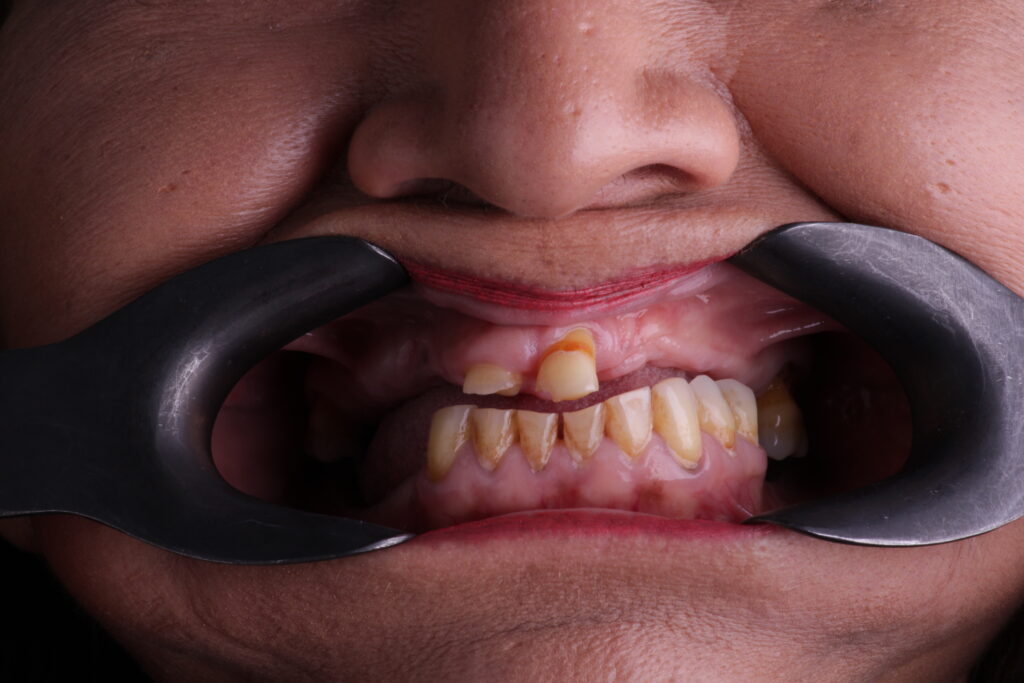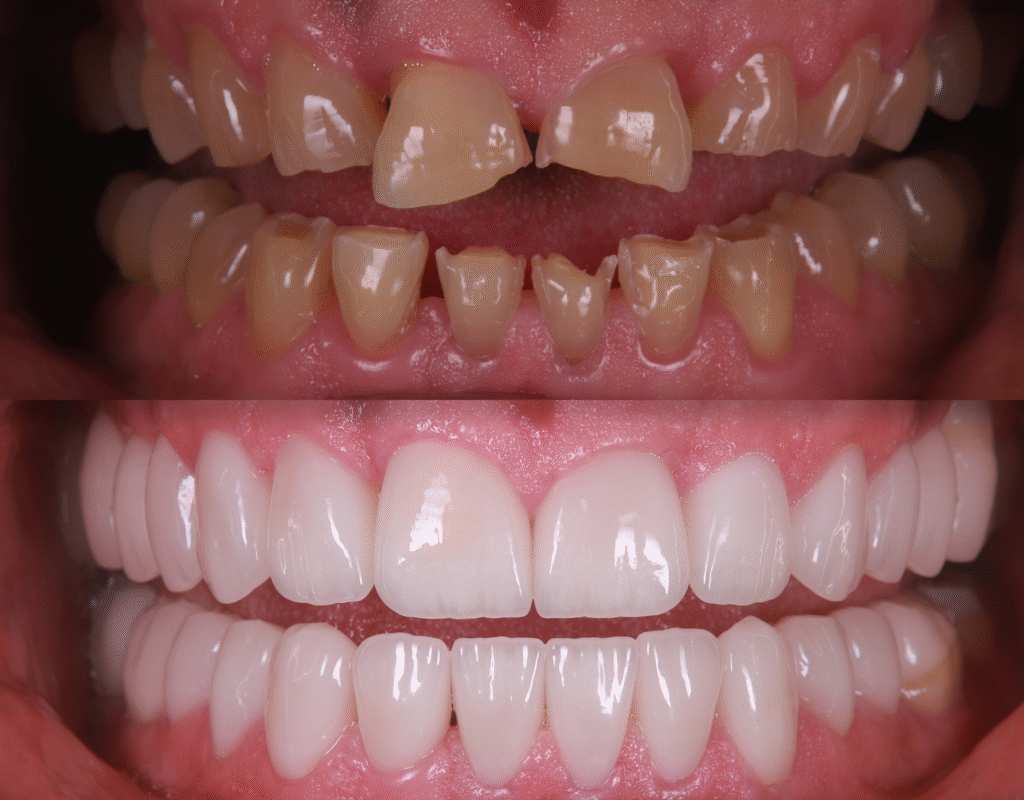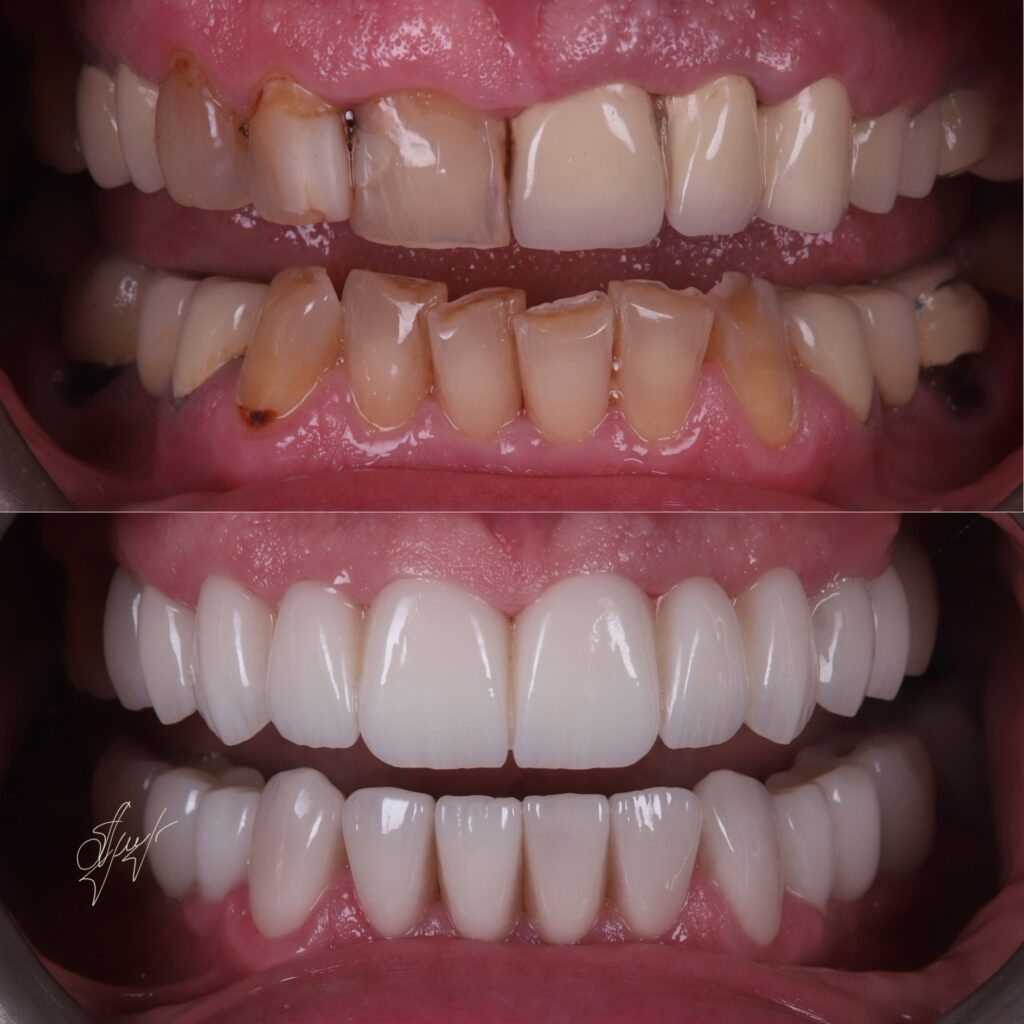
Bruxism presents significant diagnostic and therapeutic challenges for dental practitioners. This condition, which often occurs unconsciously during sleep, can lead to severe tooth wear, myofascial pain, and temporomandibular joint disorders. Early diagnosis plays a crucial role in preventing long-term consequences for the dentofacial system.
As part of prosthodontic care, dental guards (occlusal splints) serve as the first line of treatment for bruxism, creating a physical barrier between teeth to prevent enamel wear and reduce pressure on dental structures. The selection of an appropriate guard type (soft, hard, or hybrid) should be based on careful assessment of wear patterns, condition severity, and each patient’s specific circumstances. Recent studies show that custom-made guards fabricated using digital scans significantly improve both patient satisfaction and treatment effectiveness.
At the forefront of this innovation in London, Dr Arman Barfeie employs cutting-edge intraoral scanning and CAD/CAM technology to create precision dental guards, ensuring optimal comfort, fit, and therapeutic results for every patient.
Comprehensive bruxism management requires a multifaceted approach combining dental guards, stress reduction techniques, and in severe cases, pharmacological intervention. Patients should pay particular attention to warning signs, such as morning headaches, tooth sensitivity, and sounds from the jaw joint. This article provides a thorough examination of bruxism, from diagnosis to treatment and long-term care, offering practical solutions for effective management of this disorder.