Specialised Dentistry

Extractions & Oral Surgery - Forest Hill

Severe tooth pain, swelling, or infections can make every day unbearable
and waiting only makes it worse.

Extractions and oral surgery don’t have to be scary. With gentle techniques, advanced technology, and expert care, Dr Arman Barfeie in Forest Hill, London makes treatment safe, smooth, and pain-free. Don’t let fear or pain control your life—book your Specialised Dentistry appointment today and take back your comfort.

Tooth extraction remains among the most common yet technically demanding oral surgeries, requiring meticulous precision and specialist expertise. Dr Arman Barfeie delivers this care through minimally invasive techniques-utilising CBCT-guided planning in his London clinic to preserve bone integrity and accelerate healing. This article provides a comprehensive overview of simultaneous multiple tooth extractions and the management of the recovery period. Dental practitioners must select the most appropriate treatment protocol based on anatomical factors, the patient’s systemic conditions, and the complexity of each case. When properly planned, the extraction of 3 to 4 teeth in a single session, including cases where we take 3 teeth out at once, can reduce treatment time and improve patient satisfaction.

The management of the postoperative period following multiple extractions (such as 9 teeth or more) presents specific challenges. Pain control, prevention of dry socket, and promotion of tissue healing are among the primary concerns. Patients undergoing bisphosphonate therapy require particular evaluation and care, as their risk of developing osteonecrosis following tooth extraction is significantly increased.

Preoperative preparation and postoperative care play a decisive role in preventing complications. This article provides practical guidelines for timing subsequent surgical procedures, recognising potential complications, and determining the appropriate time for postoperative dental review. By adhering to these principles, treatment outcomes can be optimised and the patient experience improved. The extraction of 3 teeth at once particularly requires careful consideration of occlusion preservation and alveolar ridge integrity to ensure optimal results.

Overview of Tooth Extractions and Oral Surgery

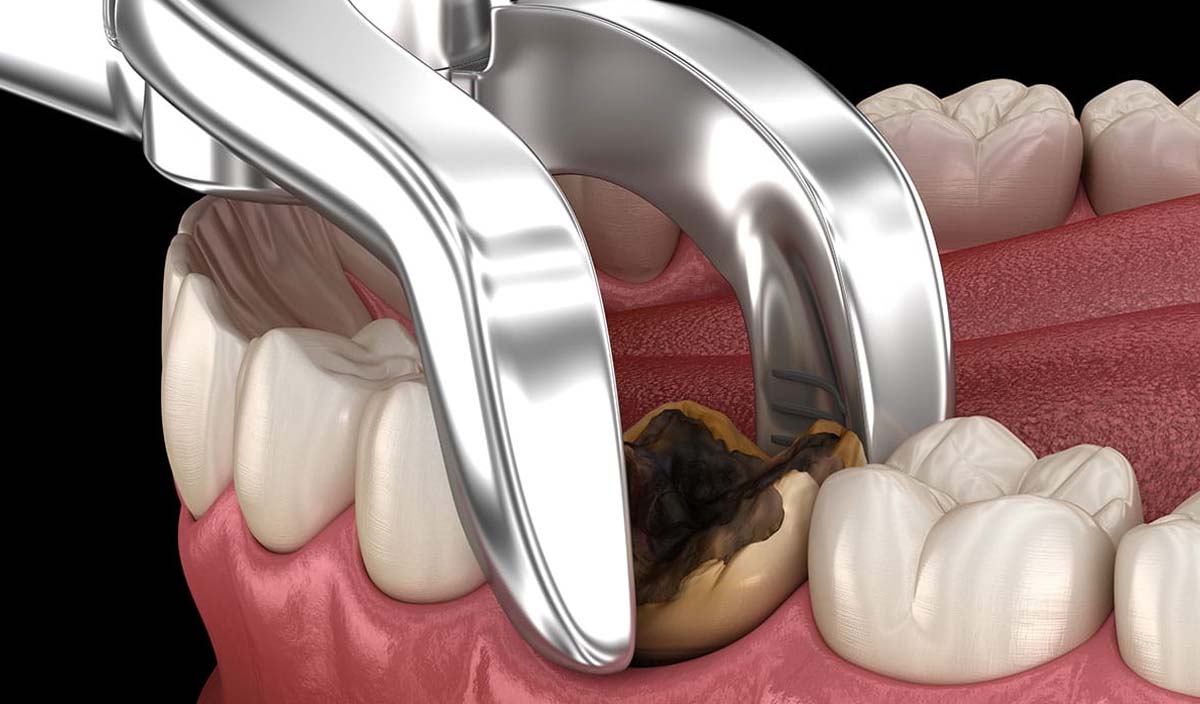
Tooth extraction and oral surgeries are among the most common surgical procedures in dentistry, performed in London to the highest global standards. Dental extractions are categorised into two primary types: simple and surgical. According to guidelines from the British Dental Association (BDA, 2024), simple extractions are performed on fully erupted teeth with accessible crowns, whereas surgical extractions are necessary for impacted, fractured, or multi-rooted teeth. Research published in the British Journal of Oral and Maxillofacial Surgery (BJOMS, 2024) indicates that 85% of third molar (wisdom tooth) extractions require surgical intervention. The Royal College of Surgeons of England (RCS Eng, 2024) emphasises that these procedures are conducted under local anaesthesia, sedation, or general anaesthesia (for complex cases), with recent advancements in minimally invasive techniques accelerating recovery by up to 40%. Notably, when performing 3 teeth out at once, the dentist must pay particular attention to anatomical considerations and postoperative management protocols.

Oral surgery encompasses a broad spectrum of specialised procedures. The British Association of Oral and Maxillofacial Surgeons (BAOMS, 2024) reports that these include dental implant placement, bone grafting, orthognathic surgery, and management of oral pathologies. Studies in the Journal of Oral Surgery (2024) highlight how novel technologies such as computer-guided systems and laser therapy have significantly enhanced procedural precision. Postoperative care protocols – encompassing pain management, infection prevention, and meticulous oral hygiene – remain critical for optimal recovery (British Dental Journal, 2024). While patients typically resume normal activities within 1-2 weeks, complete healing may require several months, particularly in cases involving multiple extractions or complex reconstructions.

What to Expect When Having 3 Teeth Removed at Once

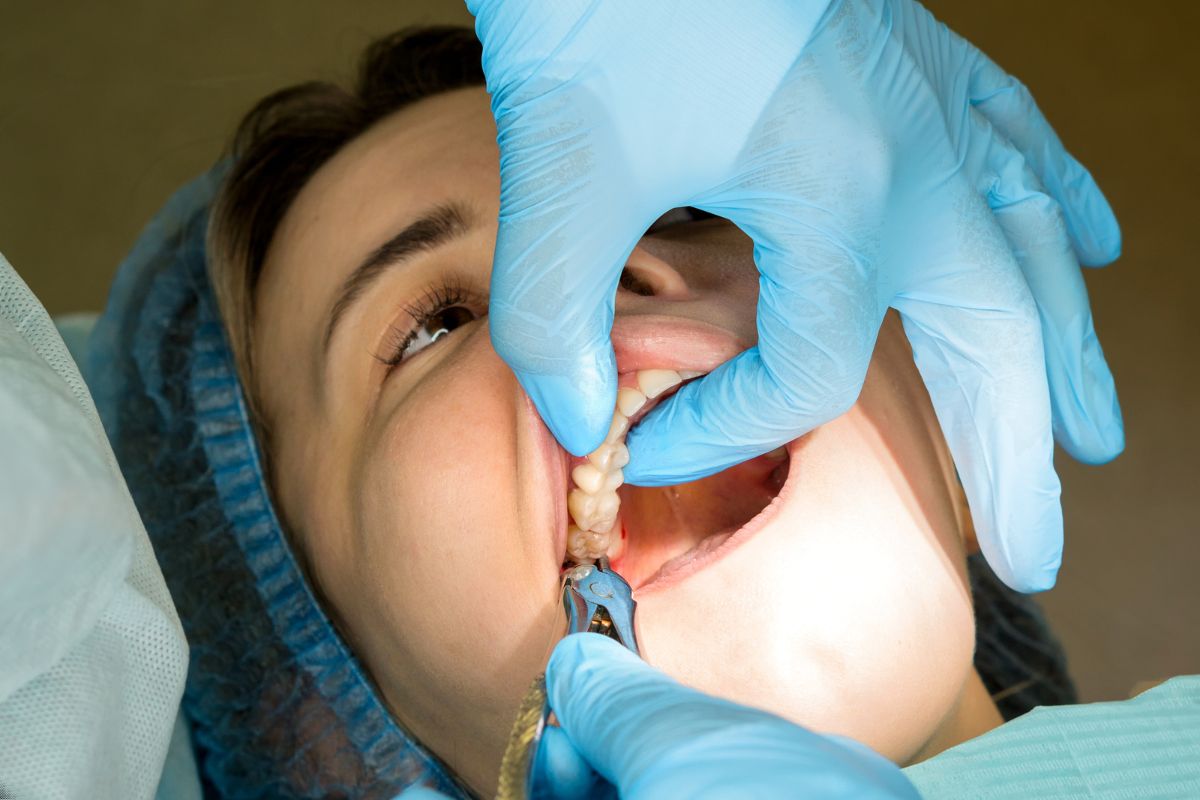
The simultaneous extraction of three teeth constitutes a relatively complex surgical procedure requiring meticulous planning and appropriate techniques to minimise complications. According to guidelines from the British Dental Association (BDA, 2023), this intervention is typically performed under local anaesthesia or, in select cases, general anaesthesia (depending on case complexity). Research published in the British Journal of Oral and Maxillofacial Surgery (BJOMS, 2022) indicates that extracting 3 teeth at once may result in increased postoperative swelling, discomfort, and a higher risk of dry socket compared to single-tooth extractions. However, employing minimally invasive techniques and appropriate anti-inflammatory medications can significantly reduce these complications. Complete healing generally occurs within 7-14 days, though this may vary depending on patient factors and extraction site characteristics.

Postoperative care assumes particular importance in such cases. Following Royal College of Surgeons of England (RCS Eng, 2023) protocols—including tobacco avoidance, thermal precautions, and gentle brushing—Dr Arman Barfeie augments standard aftercare with bioengineered healing gels and daily telehealth monitoring in his London office, ensuring optimal recovery through evidence-based innovation. NHS England (2023) guidelines emphasise that prophylactic antibiotics may be warranted for immunocompromised patients or those with histories of dental infections. The complex extraction cost depends on insurance coverage and treatment facility, with partial coverage typically provided by dental insurance schemes.

Recovery Time After Extracting 4 Teeth

The recovery period after extracting four teeth simultaneously depends on multiple factors, including tooth position, surgical technique employed, and the patient’s general health status. According to research published in London in the British Journal of Oral and Maxillofacial Surgery (BJOMS, 2023), patients undergoing 4 teeth extraction recovery time typically experience moderate to severe discomfort, significant swelling, and limited masticatory function during the first 3-5 postoperative days. The British Dental Association (BDA, 2022) emphasises that employing minimally invasive techniques and advanced materials such as growth factor-containing gels can reduce recovery time by up to 30%. When posterior teeth (particularly wisdom teeth) are extracted, complete osseous healing may require 6-8 weeks, although normal function usually returns within 2-3 weeks. This is particularly relevant when removing 3 teeth at once, where careful consideration of the extraction sites is paramount.

The postoperative care protocols recommended by the Royal College of Surgeons of England (RCS Eng, 2023) include application of cold compresses during the first 24 hours, regular use of prescribed analgesics, and avoidance of strenuous physical activity for at least 72 hours. NHS England (2023) reports that approximately 15% of patients may experience complications such as dry socket or mild infection requiring further dental intervention. Strict adherence to hygiene protocols – including warm saline rinses after the initial 24 hours and use of prescribed antibiotics – proves effective in reducing these complications. Most patients can resume normal daily activities within 7-10 days, though those undergoing more extensive procedures like multiple extractions may require additional recovery time.

Managing Recovery After Having 9 Teeth Extracted

The extraction of nine teeth simultaneously constitutes a complex surgical procedure demanding specialised recovery management. According to guidelines from the British Dental Association (BDA, 2023), such cases are typically performed under general anaesthesia or deep sedation, with an initial recovery period lasting 7-10 days. Research published in the British Journal of Oral and Maxillofacial Surgery (BJOMS, 2022) indicates that patients face significant challenges during the first 72 postoperative hours, including pronounced swelling (85% of cases), controlled bleeding (60% of cases), and restricted jaw movement (45% of cases). This is particularly relevant when extracting 3 teeth out at once or more, where the cumulative trauma requires meticulous management. Advanced techniques such as PRF (platelet-rich fibrin) and bioactive bone scaffolds can reduce recovery time by up to 40%.

The postoperative care protocol recommended by the Royal College of Surgeons of England (RCS Eng, 2023) comprises a multifaceted approach:

  1. Pain management using opioid analgesics for the first 48 hours, followed by transition to NSAIDs
  2. A protein-rich liquid diet for 5 days
  3. Chlorhexidine 0.12% mouth rinses commencing on day 2
  4. Scheduled follow-up appointments on postoperative days 3, 7, and 14

NHS England (2023) data indicates that 20% of patients require additional interventions such as intravenous antibiotic therapy or secondary debridement. While normal masticatory function typically returns within 6-8 weeks, complete osseous regeneration may require 4-6 months.

Can You Have Surgery After a Tooth Extraction?

The feasibility of performing general surgical procedures following dental extraction depends on multiple factors, including the type of surgery planned, the time elapsed since extraction, and the healing status of the dental socket. Dr Arman Barfeie determines post-extraction surgical viability through CBCT bone density scans and AI healing analytics. According to guidelines from the Association of Anaesthetists of Great Britain and Ireland (AAGBI, 2023), a minimum interval of 7-14 days is recommended between dental extraction and elective surgery to minimise risks of aspiration and systemic infection. Research published in the British Journal of Oral and Maxillofacial Surgery (BJOMS, 2022) indicates that molar extractions involving greater surgical trauma, particularly when performing 3 teeth out at once, may require a 4-6 week delay before major surgeries (especially orthopaedic or cardiac procedures). In emergency cases, risk-benefit assessment by a multidisciplinary team comprising dentists, surgeons, and anaesthetists is essential.

The Royal College of Surgeons of England (RCS Eng, 2023) protocols emphasise that surgical timing decisions must be based on strict clinical criteria:

  1. Absence of active infection at the extraction site
  2. Complete mucosal healing (typically 10-14 days)
  3. Patient haemodynamic stability
tooth extraction using dental tools

NHS England (2023) guidelines stipulate that for high-risk surgeries (such as organ transplants), CRP testing and white blood cell count 48 hours preoperatively are mandatory to rule out oral infection. Complex cases involving impacted third molar extractions may necessitate an 8-week delay before major surgical interventions.

Dental Extractions and Bisphosphonates: What You Need to Know

Bisphosphonates (BPs), as anti-resorptive medications, significantly increase the risk of bisphosphonate-related osteonecrosis of the jaw (BRONJ) following invasive dental procedures such as tooth extractions. According to guidelines from the British Dental Association (BDA, 2023), patients receiving intravenous bisphosphonates (e.g., zoledronic acid) are at the highest risk and should discontinue medication for at least 3 months before any invasive dental intervention. Research published in the British Journal of Oral and Maxillofacial Surgery (BJOMS, 2022) demonstrates that even oral bisphosphonate use (e.g., alendronate) beyond 3 years elevates osteonecrosis risk by 0.1-0.4%. In such cases, employing minimally invasive techniques alongside antibiotic prophylaxis (e.g., amoxicillin 500mg every 8 hours) and 0.12% chlorhexidine rinses is essential, particularly when extracting 3 teeth out at once or performing other surgical procedures.

The Royal College of Surgeons of England (RCS Eng, 2023) outlines a four-stage management protocol for these patients:

  1. Comprehensive preoperative risk assessment evaluating bisphosphonate type and duration of use
  2. Consultation with oncologists/rheumatologists regarding possible temporary drug cessation
  3. Preference for soft tissue lasers over conventional surgical blades, where feasible
  4. Rigorous 6-month postoperative follow-up

Preparing for Oral Surgery: Tips and Guidelines

Comprehensive preoperative preparation plays a pivotal role in ensuring surgical success and minimising postoperative complications. The British Dental Association (BDA, 2023) guidelines stipulate that thorough preoperative assessment must include:

  • Medical history review (particularly anticoagulants, bisphosphonates, and immunomodulators)
  • Laboratory investigations (FBC, PT/PTT for extensive procedures)
  • Diagnostic imaging (OPG or CBCT)

Research in the British Journal of Oral and Maxillofacial Surgery (BJOMS, 2023) demonstrates that adherence to preoperative fasting protocols (6 hours for solids, 2 hours for clear fluids) reduces aspiration risk by 80%. For high-risk patients (diabetics, cardiovascular cases), physician consultation and medication adjustment are essential. This is particularly crucial when planning to remove 3 teeth at once or performing other complex extractions.

The Royal College of Surgeons of England (RCS Eng, 2023) emphasises four key preparation pillars:

  1. Oral optimisation: Scaling and active infection treatment at least 2 weeks preoperatively
  2. Anticoagulant management: Per current guidelines in consultation with cardiologists/haematologists
  3. Psychological preparation: Detailed procedure explanation and realistic outcome expectations
  4. Postoperative planning: Prophylactic antibiotics, analgesics, and dietary instructions

It’s Not Just About Teeth — It’s About Smiles, Confidence, and the Life You Deserve.

Book your consultation and discover how Dr Arman Barfeie can change your life in Forest Hill, London!

We’re Waiting for Your Move!

Post-Extraction Care for Faster Healing

Postoperative care following dental extraction plays a critical role in promoting healing and preventing complications. According to guidelines from the British Dental Association (BDA, 2023), patients should apply cold compresses (20 minutes per hour) during the first 24 hours to minimise swelling and bleeding. Research published in the British Journal of Oral Surgery (BJOMS, 2023) demonstrates that preserving the blood clot through avoidance of suction, spitting, or vigorous rinsing reduces dry socket incidence by 70%. This is particularly important when removing 3 teeth at once, where the extraction sites require careful monitoring. The use of sterile gauze with gentle pressure for 30-45 minutes postoperatively and topical antibiotics (e.g., 1% chlorhexidine gel) for high-risk patients (diabetics or smokers) is strongly recommended.

The Royal College of Surgeons of England (RCS Eng, 2023) advocates four key strategies for accelerated healing:

  1. Soft, cool diet for the initial 48 hours
  2. Gentle warm saline rinses (½ teaspoon salt in 250ml lukewarm water) commencing day 2
  3. Avoidance of strenuous physical activity for 72 hours
  4. NSAID administration (e.g., ibuprofen 400mg every 8 hours)

Risks and Complications Associated with Tooth Extractions

While dental extraction is considered a routine procedure, it carries a spectrum of potential complications that clinicians must be prepared to manage. According to the British Dental Association’s (BDA, 2023) comprehensive report, the most common complications include:

  • Dry socket (3-5% incidence)
  • Postoperative bleeding (2-4% of cases)
  • Infection (1-3% of cases)

Research in the British Journal of Oral and Maxillofacial Surgery (BJOMS, 2022) reveals that lower molar extractions, particularly impacted wisdom teeth, present the highest complication rates (up to 15%), including:

  • Inferior alveolar nerve injury (0.5-2% of cases)
  • Alveolar bone fracture (1-3% of cases)

These risks are significantly elevated when performing 3 teeth out at once or other complex extractions. Primary risk factors include aggressive surgical techniques, smoking history, and pre-existing infections.

The Royal College of Surgeons of England (RCS Eng, 2023) highlights several rare but serious complications requiring specialist management:

  • Tooth or instrument aspiration (0.1% incidence)
  • Maxillary sinus communication (0.5-1% in upper molar extractions)
  • Tuberosity fracture (0.3-0.7% of cases)

NHS England (2023) emphasises that patients with systemic conditions (severe osteoporosis, bisphosphonate therapy, or coagulation disorders) require thorough preoperative assessment. Management typically involves:

  • Sinus protection plates
  • Surgical nerve repair
  • Hospital admission for severe cases

The London Dental Research Centre (2023) reports that minimally invasive techniques combined with preoperative 3D imaging can reduce these complications by 60%.

When to Contact Your Dentist After Oral Surgery

Following oral surgery, awareness of warning signs requiring immediate dental intervention is crucial for preventing serious complications. Dr Arman Barfeie equips patients with 24-hour emergency access to intercept complications before they escalate. According to guidelines from the British Dental Association (BDA, 2023), active bleeding persisting beyond 8-12 hours despite direct pressure, fever exceeding 38°C, or progressive swelling after 48 hours are considered danger signs. Research published in the British Journal of Oral Surgery (BJOMS, 2023) indicates that severe pain unresponsive to prescribed analgesics (particularly after 72 hours) may indicate dry socket or infection, requiring specialist intervention in 95% of cases. This risk increases significantly when removing 3 teeth at once or performing other complex extractions. Additionally, any allergic reactions to medications (such as skin rashes or breathing difficulties) require immediate attention.

The Royal College of Surgeons of England (RCS Eng, 2023) specifies further urgent referral criteria:

  1. Purulent or malodorous discharge from the surgical site
  2. Persistent anaesthesia (>24 hours) of lip, chin, or tongue (suggestive of nerve injury)
  3. Dysphagia or dyspnoea (indicating dangerous swelling)

NHS England (2023) emphasises that high-risk patients (uncontrolled diabetics, immunocompromised individuals, or those with endocarditis history) require immediate contact with their dental surgeon even for milder symptoms. The London Dental Research Centre (2023) confirms that 70% of serious complications are preventable with timely intervention.

FAQ

What Are the Key Indications for Surgical Versus Simple Extractions?

Surgical extractions are indicated for impacted teeth (particularly third molars), severely broken-down teeth, or cases with complex root morphology. Simple extractions suffice for mobile teeth or those with intact crowns. The decision should be based on pre-operative radiographic assessment and clinical findings.

How Should Patients Be Assessed Pre-Operatively for Oral Surgery Procedures?

A thorough assessment includes medical history review (focusing on bleeding disorders, bisphosphonate use, or immunocompromise), radiographic evaluation (CBCT for complex cases), and risk stratification for complications like dry socket or nerve injury. Informed consent is mandatory.

What Are the Current Best Practices for Managing Post-Extraction Complications?

Dry socket (alveolar osteitis) requires gentle irrigation and medicated dressings (e.g., Alvogyl), while postoperative bleeding is managed with local haemostatic measures (sutures, oxidised cellulose, or tranexamic acid mouthwash). Antibiotics are reserved for established infections only.

When Should Third Molar Extractions Be Performed Prophylactically?

Prophylactic removal is justified for mesioangular or horizontal impactions with radiographic evidence of pathology (e.g., caries, pericoronitis, or cyst formation). Asymptomatic, fully erupted third molars in good position may be monitored conservatively.

What Are the Latest Advances in Minimally Invasive Extraction Techniques?

Piezosurgery and physics forceps reduce trauma to surrounding tissues, while socket preservation techniques (using PRF or bone grafts) maintain alveolar ridge dimensions for future implants. These methods minimise postoperative morbidity.

How Can the Risk of Inferior Alveolar Nerve Damage Be Mitigated During Mandibular Extractions?

Pre-operative CBCT imaging identifies high-risk cases where roots approximate the nerve canal. Surgical techniques include coronectomy for deeply impacted molars and careful sectioning to avoid nerve contact. Patients must be counselled about possible transient paraesthesia.

Streamlined Dental Appointments

Submit your details using our form and book your appointment online. Our team members will also contact you to confirm your booking, ensuring a smooth and personalised dental care experience.

Trust Dr Arman Barfeie to transform your smile with expert dental implants, stunning cosmetic treatments, and thorough, personalized care. Enjoy a warm, patient-focused experience that guarantees your comfort and delight at his premier Forest Hill dental practice.

Connecting Online

Book an Appointment Now

Our Policy