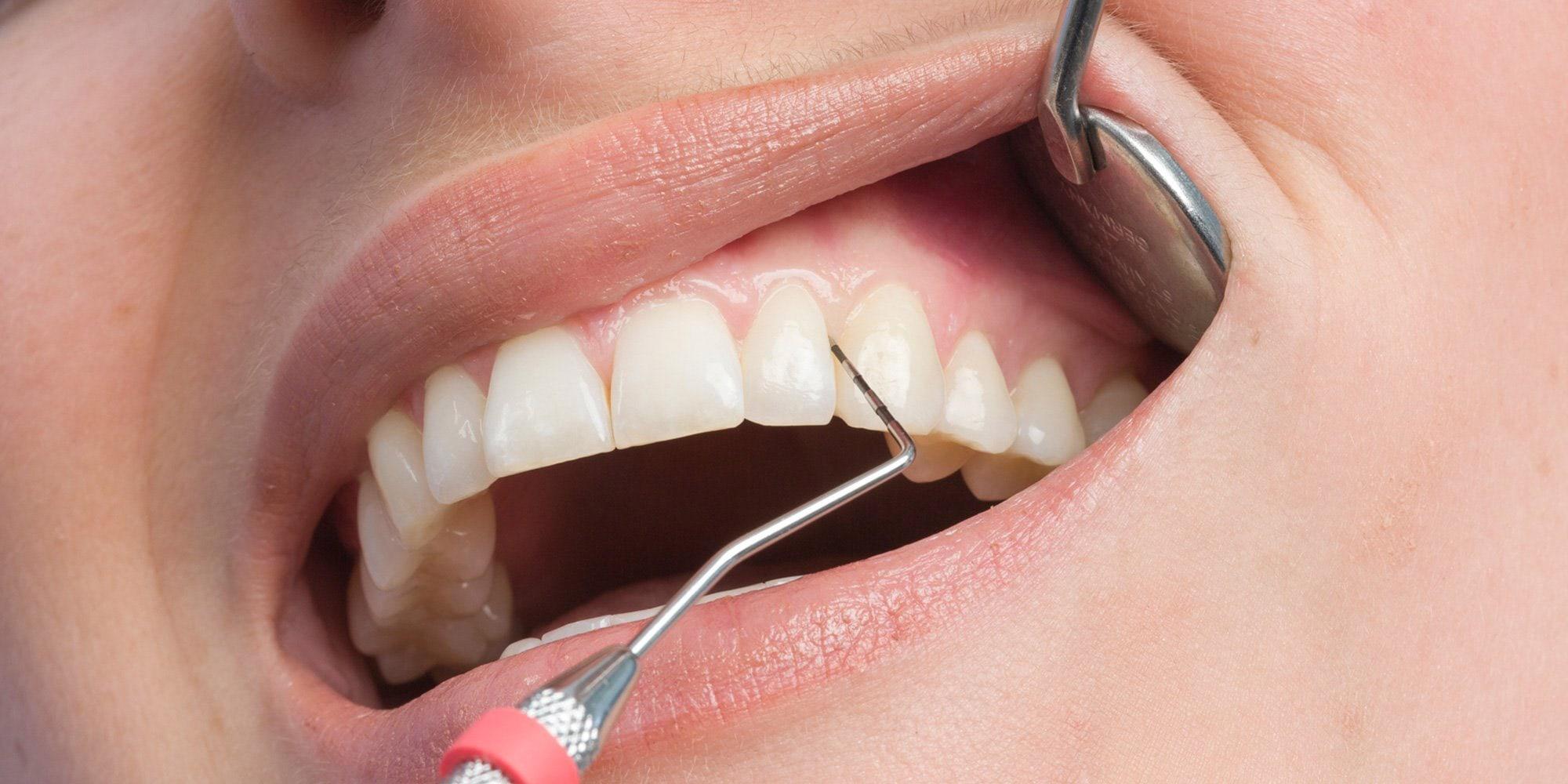
Do your gums bleed when you brush? Have they started pulling back, making your teeth look longer? Or maybe you’ve noticed bad breath that just doesn’t go away. These are not small issues — they are often the silent first signs of gum disease.
What most people don’t realise is that gum health is the foundation of your smile. Without strong gums and bone support, even the healthiest-looking teeth can be at risk. Gum disease doesn’t just cause tooth loss — research has linked it to serious health conditions like heart disease and diabetes.
At the Forest Hill clinic of Dr Arman Barfeie, periodontics isn’t about “just treating gums.” It’s about:
Protecting the foundation of your smile
Restoring your confidence and comfort
Safeguarding your long-term health
Periodontics is a branch of specialised dentistry that focuses on the health and treatment of the structures surrounding your teeth. These structures include your gums, jawbone, and the ligaments that hold your teeth in place. Specialists in this field, known as periodontists, are experts in preventing, diagnosing, and treating gum disease, as well as in the surgical placement of dental implants.This speciality is vital for your gum health because your gums act as a crucial foundation and protective seal for your teeth. Gum disease—known as gingivitis in its early stages and periodontitis when more advanced—is a bacterial infection. If left untreated, it won’t just cause redness, swelling, and bleeding gums; it can progressively lead to the loss of supporting bone and ultimately result in loose teeth and tooth loss, even in teeth that are otherwise healthy. Furthermore, the health of your gums is directly linked to your overall systemic health. Advanced gum disease has been associated with an increased risk of developing serious health conditions, such as cardiovascular disease, diabetes, and complications during pregnancy. Therefore, caring for your gums isn’t just about preserving your smile; it’s an investment in your entire body’s well-being.
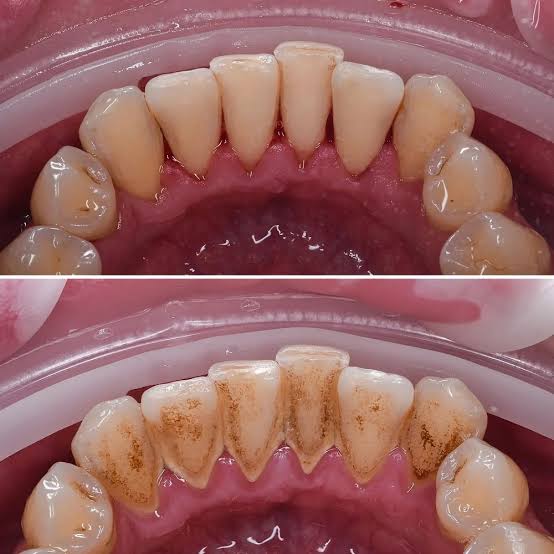
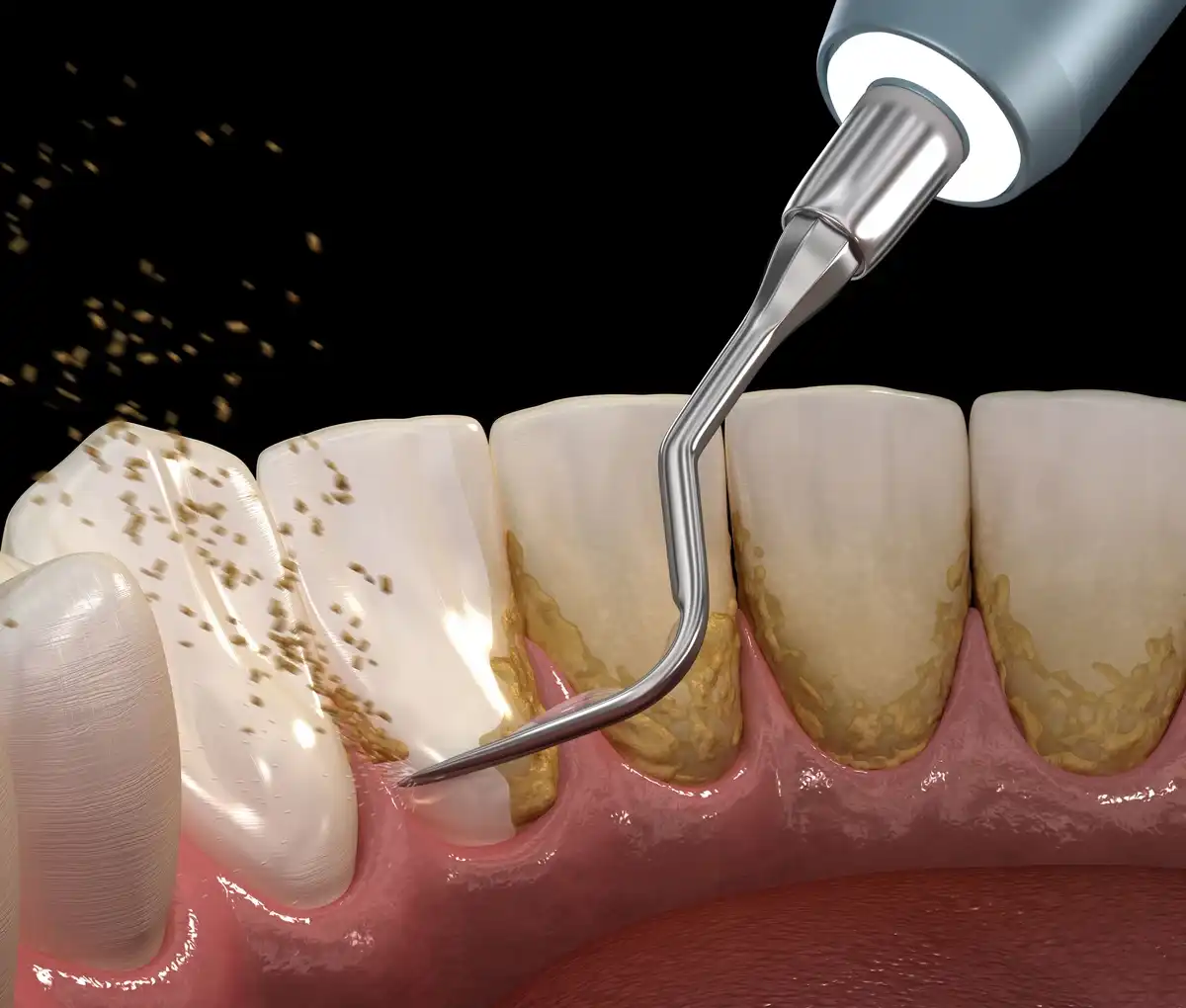
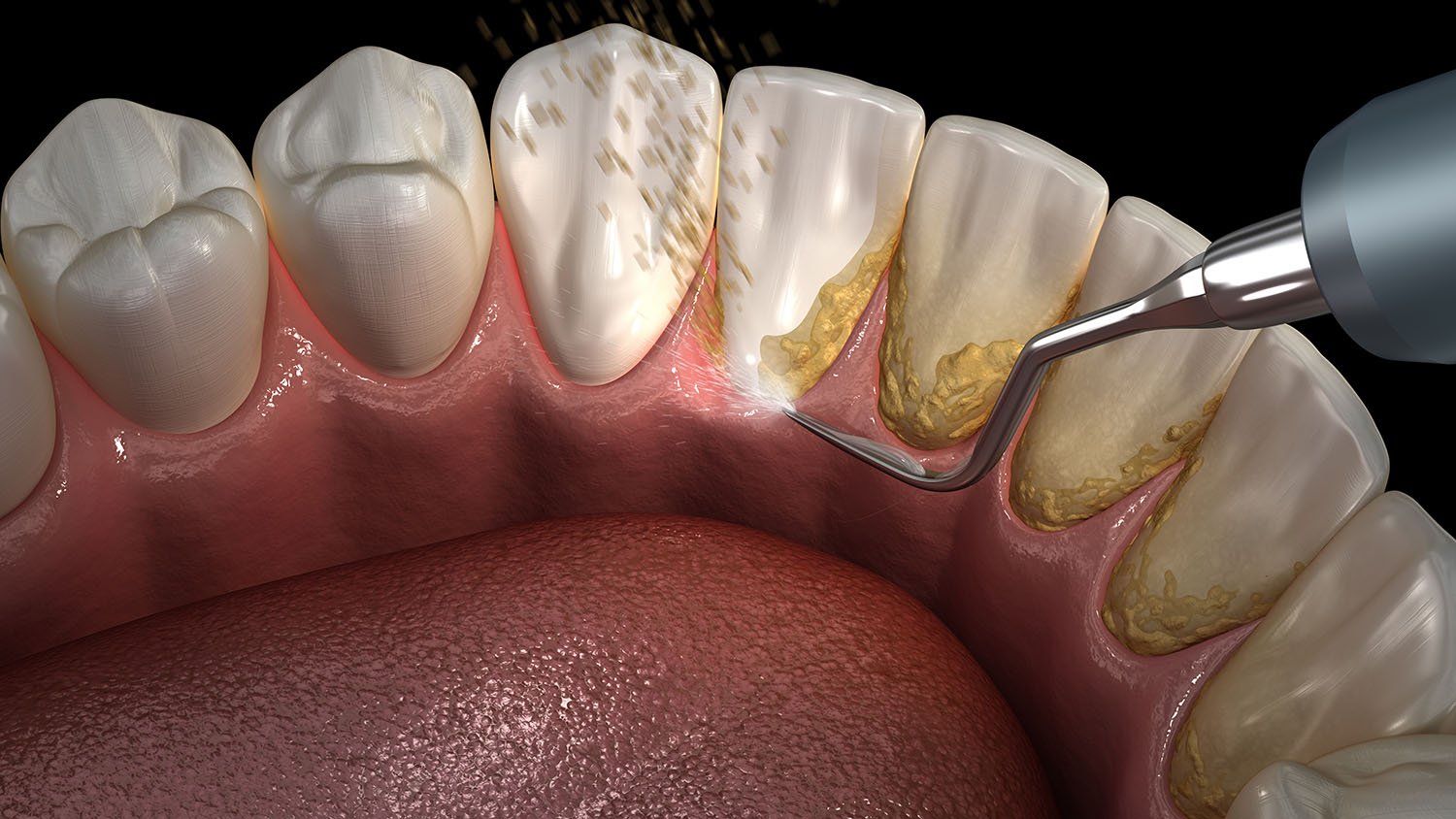
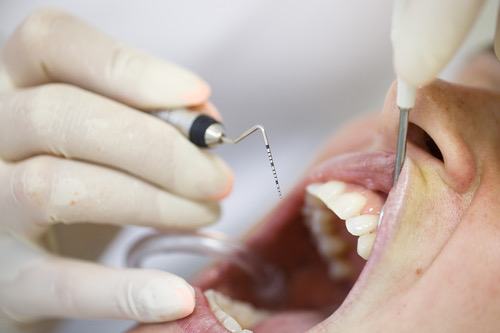
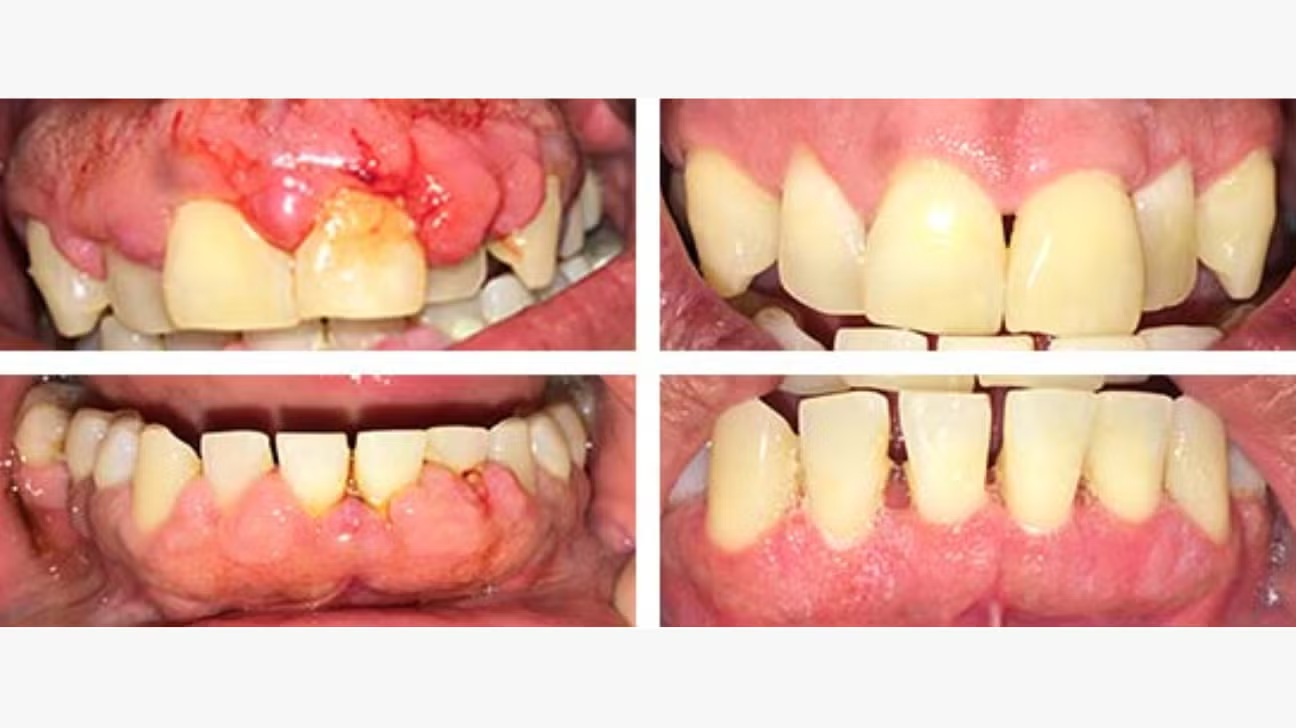
Gingivitis refers to gum inflammation, which is the milder and initial stage of gum disease. This condition is typically caused by a build-up of bacterial plaque and tartar (calculus) on the teeth. Its most common symptoms include redness, swelling, and bleeding of the gums, particularly when brushing or flossing. The good news is that gingivitis is usually reversible with non-surgical treatment, such as a professional scale and polish from your dental hygienist or periodontist, coupled with improved daily oral hygiene at home, like using a specialist periodontal toothpaste.
Periodontitis is a more advanced and serious form of gum disease. If gingivitis is left untreated, it can progress to periodontitis. At this stage, the infection spreads deeper into the tissues, destroying the jawbone and the periodontal ligaments that support your teeth. This damage can lead to the formation of periodontal pockets (spaces between the teeth and gums), loose teeth, and eventually, tooth loss. Treating this condition is more complex and may involve surgical procedures such as flap surgery, bone grafting, or tissue grafts. Managing this disease is absolutely crucial as it is directly linked to your overall systemic health.
However, you can confidently entrust your periodontal treatment to Dr Arman Barfeie
You may need to see a periodontist if you notice a few key warning signs. These symptoms include:
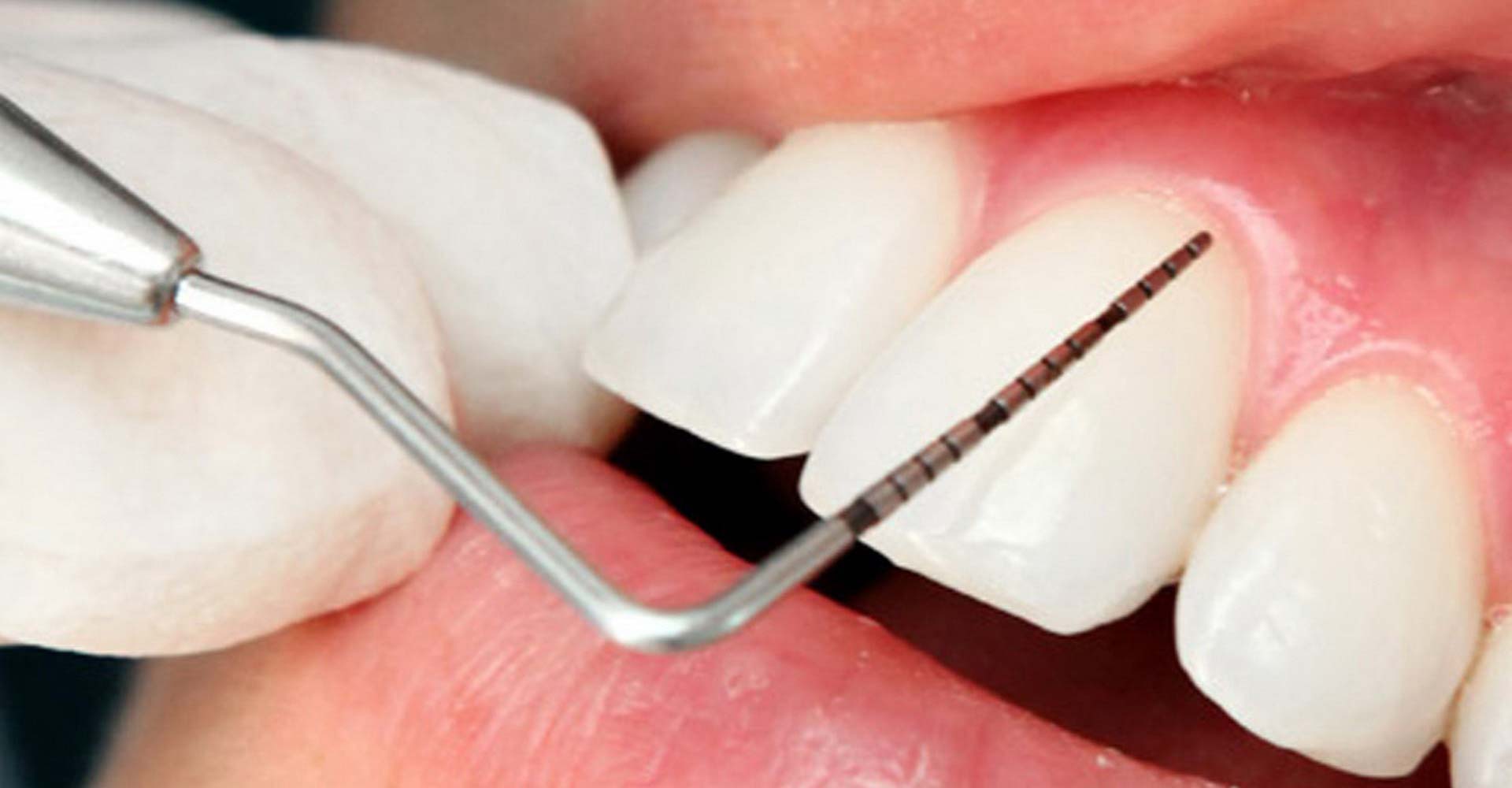
If you notice any of these signs, the best action is to book a consultation with an experienced dentist like Dr Arman Barfeie. He can conduct a thorough examination, which may include taking radiographs (X-rays), to assess the health of your gums. Paying attention to these warning signs in the early stages can help prevent the progression of the disease and more serious damage.
Book your consultation and discover how Dr Arman Barfeie can change your life in Forest Hill, London!
Nowadays, periodontists utilise modern, minimally invasive methods to treat periodontal disease, which offer significantly more successful outcomes and greater comfort for the patient. Understanding the treatments available, including those covered under periodontics NHS guidelines, is important for patients. These treatments include the following:
These modern treatments enable the successful management and treatment of gum disease with minimal discomfort for you. Their ultimate goal is to save your natural teeth and restore your gum health. For the best treatment plan, a consultation with an excellent dentist like Dr Arman Barfeie is highly recommended.
At your initial consultation with the dentist, the primary goal is a comprehensive assessment of your gum health and to provide you with a personalised treatment plan. This appointment typically involves the following key steps:
This consultation is based on a thorough understanding of your situation and your involvement in the treatment process, ensuring the best possible outcome for your gum health.
Healthy gums are essentially like the strong, sturdy roots of a tree. If these roots become diseased, even the strongest and most beautiful teeth can be lost. Periodontics focuses on the care of these very foundations.
The primary disease that causes tooth loss in adults is periodontal disease (gum disease), not decay of the tooth itself. This disease begins with a bacterial infection and, if left untreated, gradually destroys the bone that supports your teeth.
The primary goal is to eliminate the infection and halt the progression of the disease, allowing you to keep your natural teeth for a lifetime.
Healthy gums mean:
Dr Arman Barfei helps you achieve completely healthy gums by providing specialist treatments and educating you on correct daily care techniques (brushing, flossing, using interdental brushes, periodontal toothpaste and periodontitis mouthwash). Healthy gums provide a strong foundation for your teeth and can also reduce the risk of developing many general health conditions.
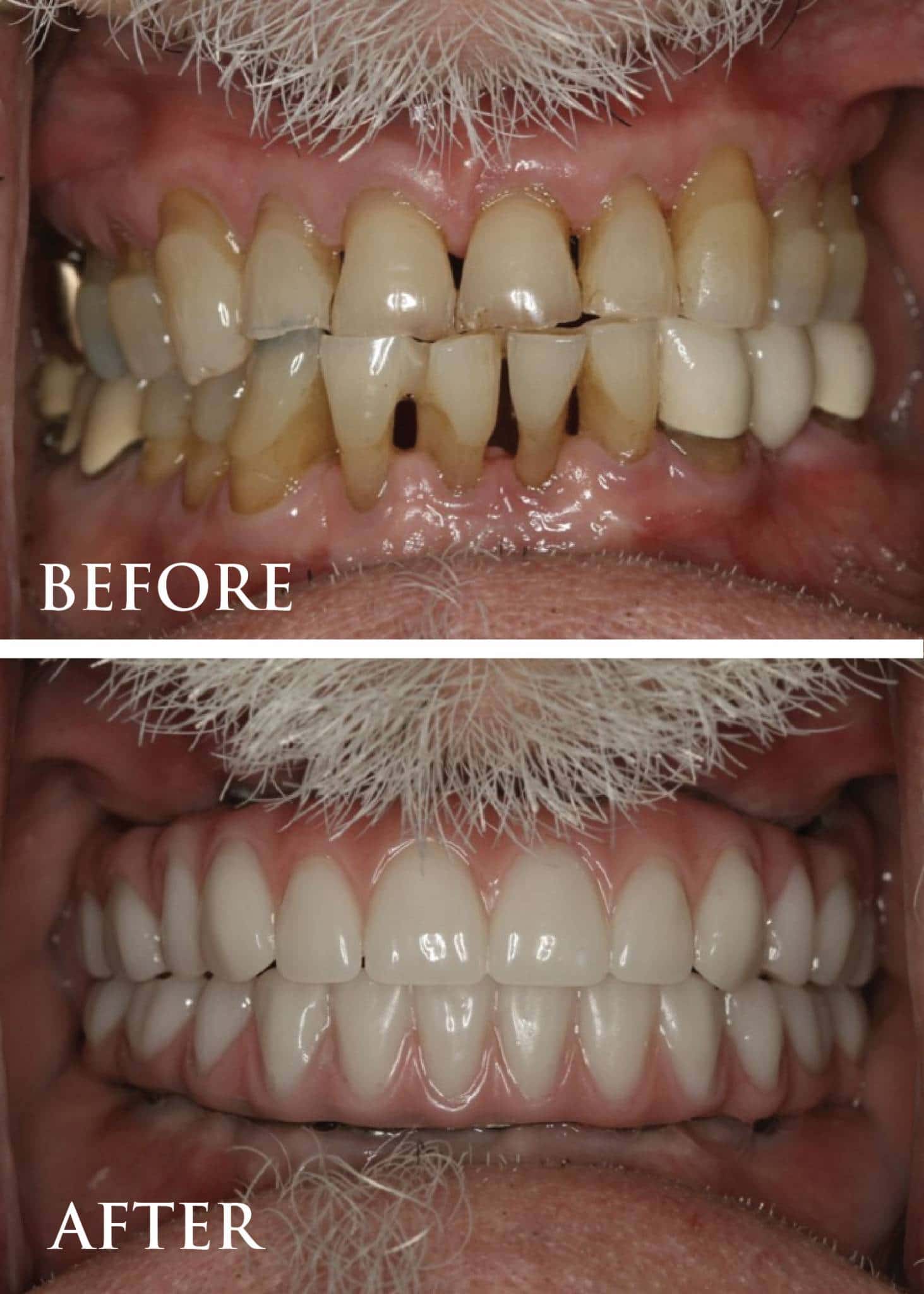
It might be interesting to know that periodontics is not just about treating disease; it also plays a very important role in aesthetic smile enhancement:
Gum disease is not a problem confined to the mouth. According to studies published in the Journal of Periodontics, this progressive disease can lead to the following complications:
The work of a dentist is not just about treatment; it is about risk management:
3. Establishing a Continuous Care Plan: True prevention does not end with a single visit. Your specialist will establish a regular recall plan (e.g., every 3, 4, or 6 months) to continually monitor your gum health and prevent the recurrence of disease. This approach is an investment in preserving your teeth for a lifetime
Post-Treatment Care is Key to Preventing Disease Recurrence
This care includes:
The way you care for your gums at home is the most critical part of the process. You may need to modify your hygiene techniques:
Even with the best home care, you require professional supervision:
If you notice any of the following symptoms, contact your specialist immediately:
Consult with your specialist to create an individualised care plan. This plan is based on:
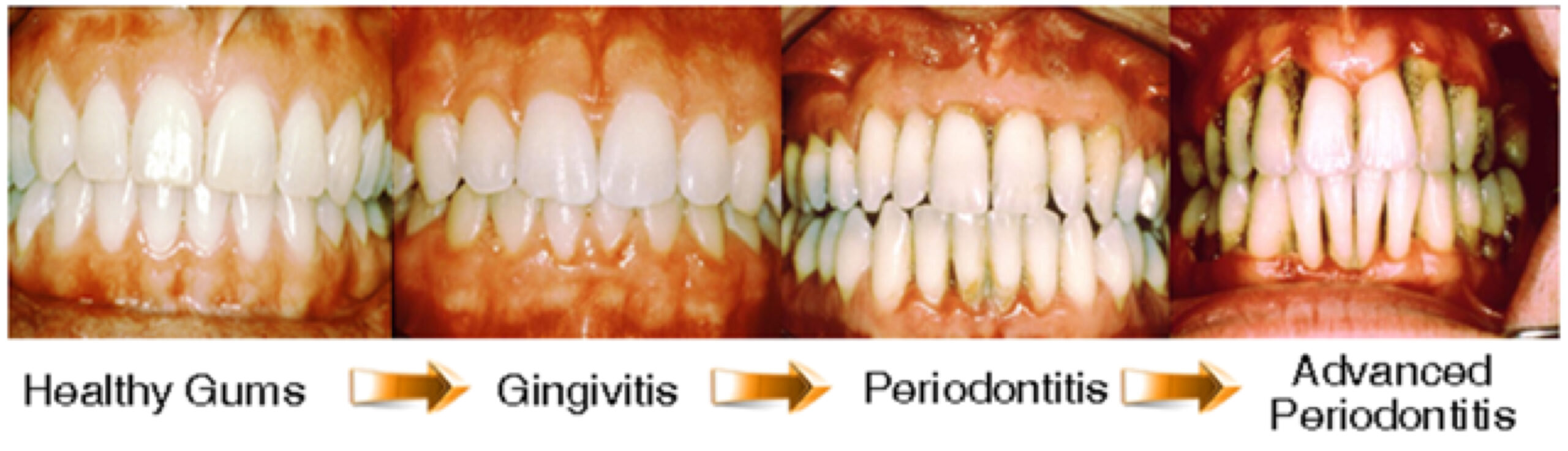
The periodontics cost in the UK is not a fixed figure and depends heavily on a wide range of factors.
This cost is generally influenced by factors such as the severity of the gum disease, the type of treatment required (non-surgical or surgical), the specialisation and experience of the dentist, as well as the geographical location of the clinic.
For accurate information and complete details regarding periodontics cost, the best approach is to contact Dr Arman Barfeie’s office directly to receive a personalised treatment and cost plan
Submit your details using our form and book your appointment online. Our team members will also contact you to confirm your booking, ensuring a smooth and personalised dental care experience.


Sign up to our newsletter
Trust Dr Arman Barfeie to transform your smile with expert dental implants, stunning cosmetic treatments, and thorough, personalized care. Enjoy a warm, patient-focused experience that guarantees your comfort and delight at his premier Forest Hill dental practice.