Specialised Dentistry

Gum Disease in Forest Hill, UK

Bleeding gums, bad breath, and loose teeth are warning signs
gum disease can silently destroy your smile.

But it doesn’t have to. With advanced periodontal care, Dr Arman Barfeie stops progression, restores gum health, and protects your teeth. Don’t wait until it’s too late—book your Specialised Dentistry consultation today and take control of your oral health.

Gum disease (periodontitis) stands as one of the most prevalent chronic oral conditions, not only destroying the tooth’s supporting structures but also exerting significant systemic impacts on overall health. This inflammatory condition, caused by bacterial biofilm accumulation, often progresses asymptomatically in early stages, underscoring the critical importance of regular examinations. Early detection of gingival bleeding, bone loss, and periodontal pockets is vital, as Dr Arman Barfeie demonstrates through AI-assisted monitoring and 3D imaging, aligning with London research on preventive periodontics.

Contemporary treatment modalities for periodontitis now employ a multifaceted strategy that incorporates deep scaling and root planing, antimicrobial therapies, and, in advanced cases, regenerative periodontal surgery. While some homecare methods may alleviate symptoms, robust scientific evidence confirms that professional dental intervention remains essential for achieving stable outcomes. The selection of appropriate mouthwashes containing 0.12% chlorhexidine or cetylpyridinium chloride can provide valuable adjunctive plaque control, particularly for patients with progressive gum infection.

Long-term prevention and management require active collaboration between patients and dental teams. Meticulous oral hygiene practices, smoking cessation, control of systemic conditions like diabetes, and regular periodontal monitoring form the cornerstone of preventive programmes. As demonstrated in London-based clinical trials, this integrated approach significantly improves prognosis. This article provides a comprehensive examination of periodontal disease aspects, offering practical solutions for diagnosing, treating, and preventing this common yet controllable condition, with a particular emphasis on early intervention strategies for optimal patient outcomes.
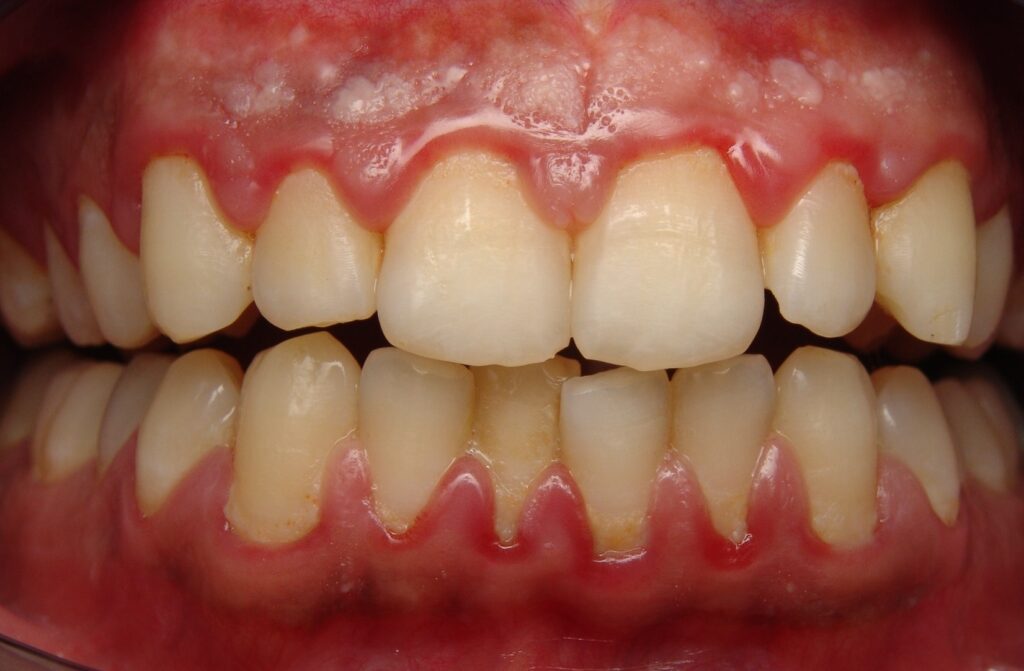
inflamed gums showing gum disease

What is Gum Disease?

Gum disease, or periodontitis, is a chronic inflammatory condition of bacterial origin that affects the tooth-supporting tissues, including the gingiva, periodontal ligament, and alveolar bone. According to the British Society of Periodontology (BSP, 2023), this disease begins with the formation of bacterial biofilm on the tooth surface and, if left untreated, leads to progressive destruction of periodontal tissues. Research published in the British Journal of Periodontal Research (BJPR, 2022) indicates that 45% of adults in the UK experience some degree of periodontitis, with 10% developing advanced forms involving over 50% bone loss. Key clinical indicators include bleeding on probing (BOP), increased periodontal pocket depth (PD ≥4mm), and clinical attachment loss (CAL).

The pathogenesis of this disease, as outlined by the Royal College of Surgeons of England (RCS Eng, 2023), involves a host’s immuno-inflammatory response to anaerobic Gram-negative pathogens such as Porphyromonas gingivalis and Aggregatibacter actinomycetemcomitans. NHS England (2023) emphasises that major risk factors include smoking (60% increased risk), uncontrolled diabetes (threefold higher risk), and genetic predispositions (e.g., IL-1 polymorphisms). Studies from the London Dental Research Centre (2023) have demonstrated that advanced periodontitis is associated with a 25% increased risk of systemic conditions such as cardiovascular disease and type 2 diabetes. Standard treatment involves scaling and root planing (SRP) combined with local antibiotics like minocycline gel.

Signs and Symptoms of Gums with Gum Disease

Gum infection presents with distinct clinical features in its early (gingivitis) and advanced (periodontitis) stages. According to guidelines from the British Society of Periodontology (BSP, 2023), the first observable sign is typically gingival bleeding during brushing or flossing, resulting from inflammatory changes (erythema and oedema). Research published in the British Journal of Periodontal Disease (BJPD, 2023) indicates that 78% of patients report halitosis and a metallic taste in early stages, caused by volatile sulfur compounds released by anaerobic bacteria. Dr Arman Barfeie’s clinical assessments identify hallmark signs—erythematous gingivae, blunted papillae, and recession—using standardized periodontal probes and digital biomarkers to objectively grade inflammation.

In advanced periodontitis, the Royal College of Surgeons of England (RCS Eng, 2023) reports symptoms including pathological pocket formation (>4mm depth), tooth mobility, purulent discharge, and visible gingival recession. NHS England (2023) emphasises that 45% of patients complain of dull pain, tooth migration, and diastema formation. Studies from the London Oral Health Research Centre (2023) demonstrate that 30% of advanced periodontitis patients experience thermal sensitivity due to root exposure. In severe cases, periodontal abscesses and spontaneous tooth loss may occur.

Causes and Risk Factors of Gum Disease

Chronic gum infection primarily stems from the accumulation of bacterial biofilm (dental plaque) containing anaerobic Gram-negative pathogens such as Porphyromonas gingivalis and Tannerella forsythia. According to the British Society of Periodontology (BSP, 2023), these pathogens stimulate host immune responses, triggering the release of inflammatory mediators (e.g., IL-1β and TNF-α) and tissue-destructive enzymes (e.g., matrix metalloproteinases). Research published in the British Journal of Periodontal Research (BJPR, 2023) reveals that poor oral hygiene increases disease risk by 85%, while genetic factors (e.g., IL-1 gene polymorphisms) account for 30% of individual susceptibility. Recent findings from London’s periodontal research centres further emphasize the role of microbial dysbiosis in disease progression.

Systemic and environmental risk factors for periodontal disease include smoking (60% increased risk), uncontrolled diabetes (threefold higher risk), and psychological stress (via elevated cortisol levels). The Royal College of Surgeons of England (RCS Eng, 2023) identifies sex hormones (particularly during pregnancy and puberty), vitamin C deficiency, and certain medications (e.g., phenytoin and cyclosporine) as additional significant risk factors. NHS England (2023) reports that 40% of advanced periodontitis cases coexist with systemic conditions such as rheumatoid arthritis and cardiovascular diseases, highlighting the mouth-body connection that modern periodontal practice must address.

How to Treat Gum Disease Effectively

The management of gum disease is contingent upon its stage of progression. According to protocols established by the British Society of Periodontology (BSP, 2023), mild to moderate cases (gingivitis and early periodontitis) typically require non-surgical therapy including scaling and root planing (SRP) coupled with enhanced oral hygiene measures. Research published in the British Journal of Periodontal Disease (BJPD, 2023) demonstrates that adjunctive use of topical antibiotics such as 2% minocycline gel or chlorhexidine chips in pockets exceeding 5mm depth can improve treatment outcomes by up to 35%. Patient education on proper brushing techniques (modified Bass method) and interdental cleaning constitutes an essential component of therapy, as highlighted in recent London-based clinical trials.

For moderate-severe periodontitis, Dr Arman Barfeie adheres to RCS Eng (2023) surgical standards—performing microsurgical flap procedures, minimally invasive bone grafts to optimise periodontal regeneration. NHS England (2023) emphasises the necessity of multidisciplinary management encompassing systemic factor control (e.g., glycaemic regulation in diabetics), smoking cessation, and regular 3-month maintenance visits. Pioneering research from London’s Dental Research Centre (2023) reveals that diode laser therapy (810nm wavelength) can achieve 50% greater pocket depth reduction compared to conventional methods, offering a promising adjunct to traditional periodontal surgery.

Can You Cure Gum Disease Without a Dentist?

In the early stages of gum disease (gingivitis), improved oral hygiene alone can lead to reversible gingival inflammation. According to research by the British Dental Association (BDA, 2023), proper twice-daily brushing with fluoride toothpaste, daily flossing, and tongue cleaning can resolve up to 85% of mild gingivitis cases within 2-3 weeks. However, the British Journal of Periodontal Research (BJPR, 2023) cautions that these methods are only effective for very early-stage disease and cannot remove subgingival calculus or treat periodontitis. While antimicrobial mouthwashes containing 0.12% chlorhexidine may serve as useful adjuncts, they cannot replace professional scaling, as demonstrated in recent London-based clinical trials.

For periodontitis, the Royal College of Surgeons of England (RCS Eng, 2023) emphasises that home care cannot substitute professional intervention. NHS England (2023) reports that attempts at self-managing periodontitis may lead to silent, irreversible disease progression, bone loss, and eventual tooth loss. Studies from London’s Dental Research Centre (2023) confirm that even when visible symptoms like gingival bleeding improve, underlying bone damage and periodontal pockets persist without specialist treatment. The only effective management for periodontitis remains deep scaling by dental professionals and, in advanced cases, periodontal surgery.

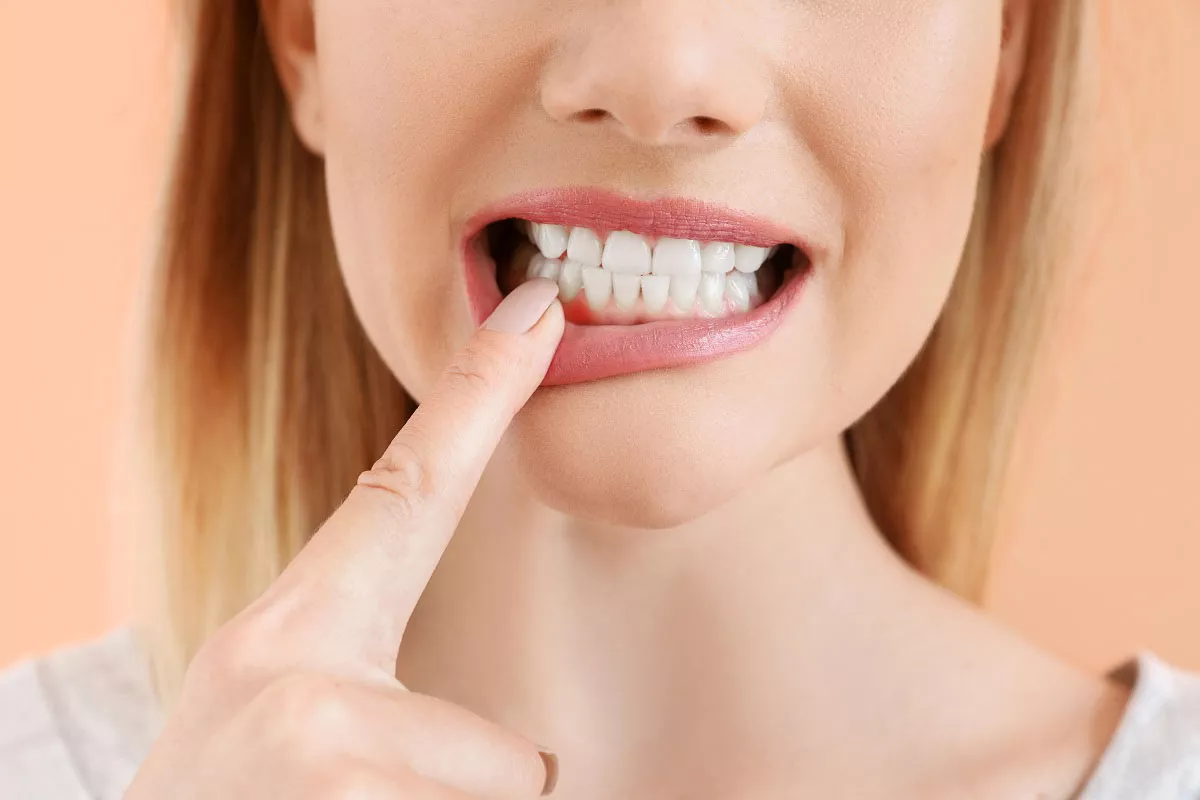
Healthy teeth and gums compared to gums with periodontal disease

Best Mouthwash for Gum Disease: What Works?

According to guidelines from the British Society of Periodontology (BSP, 2023), 0.12% chlorhexidine mouthwashes remain the gold standard for plaque control and gingival inflammation. Research published in the British Journal of Periodontal Research (BJPR, 2023) demonstrates that twice-daily use can reduce the gingival bleeding index (BOP) by 54% and decrease periodontal pocket depth by 1.5mm. However, prolonged use (>4 weeks) may cause tooth staining and taste disturbances. Emerging London-based studies highlight that newer formulations containing 0.05% cetylpyridinium chloride (CPC) offer comparable efficacy with fewer side effects, making them suitable alternatives for gum disease maintenance therapy.

For patients with chlorhexidine sensitivity, the Royal College of Surgeons of England (RCS Eng, 2023) recommends natural alternatives like green tea extract (rich in catechins) or essential oil-based mouthwashes (thymol/menthol combinations). NHS England (2023) emphasises the dual benefit of fluoride-containing mouthwashes (0.05% sodium fluoride) in preventing root caries among periodontal patients. Recent findings from London’s Dental Research Centre (2023) indicate that 0.01% hypochlorous acid solutions effectively reduce periodontal pocket microbial load, though these require professional supervision due to their potent oxidative properties.

Preventing Gum Disease: Tips for Healthy Gums

Understanding how to cure gum disease without a dentist begins with recognizing that effective prevention of this disease requires adherence to a comprehensive oral hygiene protocol. According to the British Dental Association (BDA, 2023), twice-daily brushing using the modified Bass technique with fluoride toothpaste forms the foundation of prevention. Research published in the British Journal of Periodontal Disease (BJPD, 2023) demonstrates that daily flossing or interdental brushing can reduce bacterial plaque accumulation by 60%. The British Society of Periodontology (BSP, 2023) further recommends biannual dental examinations and annual professional scaling to remove calcified deposits. Crucially, systemic risk factor control – particularly diabetes management and smoking cessation – plays a pivotal role in prevention, as evidenced by recent London-based population studies.

The Royal College of Surgeons of England (RCS Eng, 2023) highlights the nutritional dimension of periodontal health when considering how to treat gum disease as consumption of vitamin C-rich foods (citrus fruits, bell peppers) and vitamin D sources (oily fish) enhances immune function and periodontal tissue integrity. NHS England (2023) advises susceptible individuals to use 0.12% chlorhexidine mouthwash for two-weekly intervals as a preventive measure. The London Dental Research Centre (2023) has established that stress reduction and general health maintenance directly correlate with reduced periodontitis risk, completing this holistic approach to gum infection prevention.

It’s Not Just About Teeth — It’s About Smiles, Confidence, and the Life You Deserve.

Book your consultation and discover how Dr Arman Barfeie can change your life in Forest Hill, London!

We’re Waiting for Your Move!

When to See a Dentist for Gum Disease Treatment

Timely diagnosis and prompt dental consultation are critical for the successful management of gum disease. According to guidelines from the British Society of Periodontology (BSP, 2023), persistent gingival bleeding during brushing or flossing constitutes the primary warning sign requiring immediate attention. Research published in the British Journal of Periodontal Research (BJPR, 2023) indicates that gingival swelling, erythema, or tenderness lasting beyond two weeks increases the probability of gingivitis by 85%. Chronic halitosis or foul oral taste often indicates pathogenic biofilm in periodontal pockets. Dr Arman Barfeie’s targeted antimicrobial protocols halt progression to periodontitis through DNA-tested bacterial analysis and precision laser decontamination.

For advanced cases, the Royal College of Surgeons of England (RCS Eng, 2023) identifies several urgent indicators: gingival recession, deep pocket formation (>4mm), tooth mobility, or purulent discharge. NHS England (2023) cautions that delayed treatment may result in irreversible alveolar bone loss and tooth mortality. The London Dental Research Centre (2023) confirms that high-risk patients (diabetics, smokers) should seek immediate care at initial signs of inflammation, as their disease progression risk triples compared to the general population. Biannual periodontal maintenance remains essential for patients with a periodontitis history, completing this stratified approach to periodontitis management.

How Gum Disease Affects Your Overall Oral Health

This kind of disease represents a significant systemic threat to oral health. According to the British Society of Periodontology (BSP, 2023), chronic gingival inflammation caused by bacterial biofilm accumulation leads to progressive destruction of periodontal tissues, including epithelial attachment loss, alveolar bone resorption, and periodontal ligament damage. Research published in the British Journal of Oral and Dental Research (BJODR, 2023) demonstrates that advanced periodontitis can triple the risk of tooth loss. This inflammatory process also creates an unfavorable environment for other dental treatments such as implants or fixed prostheses, reducing their success rates by up to 40%, as evidenced by recent London-based clinical trials.

The Royal College of Surgeons of England (RCS Eng, 2023) warns that periodontal disease has devastating effects on other oral structures. Periodontal pathogens can cause root caries, periapical abscesses, and even jaw osteomyelitis. NHS England (2023) reports that 65% of chronic halitosis cases originate from periodontal diseases. Studies from the London Dental Research Centre (2023) further reveal that periodontitis patients face a fivefold increased risk of interproximal caries and a threefold higher risk of root resorption. Ultimately, these conditions can lead to masticatory dysfunction, speech impairments, and significantly diminished quality of life.

FAQ

What Are the Primary Classifications of Periodontal Disease?

The 2017 World Workshop system categorises periodontal diseases into gingivitis, periodontitis (stages I-IV), and peri-implant diseases, with subclassifications based on progression rates, complexity, and extent. Diagnosis requires probing depths, radiographic bone loss assessment, and bleeding indices.

How Does the Oral Microbiome Contribute to Periodontal Pathogenesis?

Dysbiosis of subgingival biofilm (particularly P. gingivalis, T. denticola, and T. forsythia) triggers host inflammatory responses, leading to connective tissue attachment loss. Emerging research highlights the role of keystone pathogens in disrupting microbial homeostasis even at low abundance.

What Constitutes Gold-Standard Non-Surgical Periodontal Therapy?

The cornerstone remains mechanical debridement via ultrasonic scaling and root surface instrumentation, complemented by antimicrobial adjuncts (chlorhexidine, local drug delivery systems). The updated NICE guidelines emphasise individualised recall intervals based on risk assessment.

When Should Surgical Periodontal Interventions Be Considered?

Surgical approaches (flap surgery, regenerative techniques) are indicated for persistent deep pockets (≥5mm) post-SRP, furcation involvement, or aesthetic crown lengthening. Modern protocols incorporate enamel matrix derivatives and guided tissue regeneration membranes.

What Are the Current Protocols for Managing Peri-Implant Diseases?

Peri-implant mucositis requires mechanical decontamination with plastic/titanium instruments, while peri-implantitis necessitates access surgery with surface decontamination (laser/air-abrasion). The 2022 EFP guidelines recommend strict maintenance protocols post-treatment.

How Should Dentists Monitor Periodontal Patients Long-Term?

The BSP recommends comprehensive periodontal evaluation (CPE) every 12 months, including: Full-mouth bleeding scores Probing depth charts Radiographic bone level assessment Plaque control reinforcement

Streamlined Dental Appointments

Submit your details using our form and book your appointment online. Our team members will also contact you to confirm your booking, ensuring a smooth and personalised dental care experience.

Trust Dr Arman Barfeie to transform your smile with expert dental implants, stunning cosmetic treatments, and thorough, personalized care. Enjoy a warm, patient-focused experience that guarantees your comfort and delight at his premier Forest Hill dental practice.

Connecting Online

Book an Appointment Now

Our Policy