
Cosmetic dentistry

Bone Grafting in Forest Hill, London

Worried your jawbone isn’t strong enough for dental implants?

Don’t be. At Dr Arman Barfeie’s specialist clinic in Forest Hill, London (GDC 260234), advanced bone augmentation procedures rebuild lost bone from extraction or gum disease — creating the stability implants need to last a lifetime.

With modern sinus lift and ridge‑augmentation techniques, restoring bone is safer, simpler, and more predictable than ever, helping you regain confidence and move forward toward your perfect smile.

What Is Dental Bone Grafting Surgery and Why Is Bone Augmentation Needed in Forest Hill, London?

A dental bone graft (Bone Graft) is a procedure where new bone is added to areas of the jaw that have experienced deterioration. This creates a solid foundation for dental implants, ensuring the final result is more natural, stable, and predictable. For patients in Forest Hill seeking a permanent solution, bone augmentation is a highly effective first step.

Why Might You Need a bone augmentation in Forest Hill?
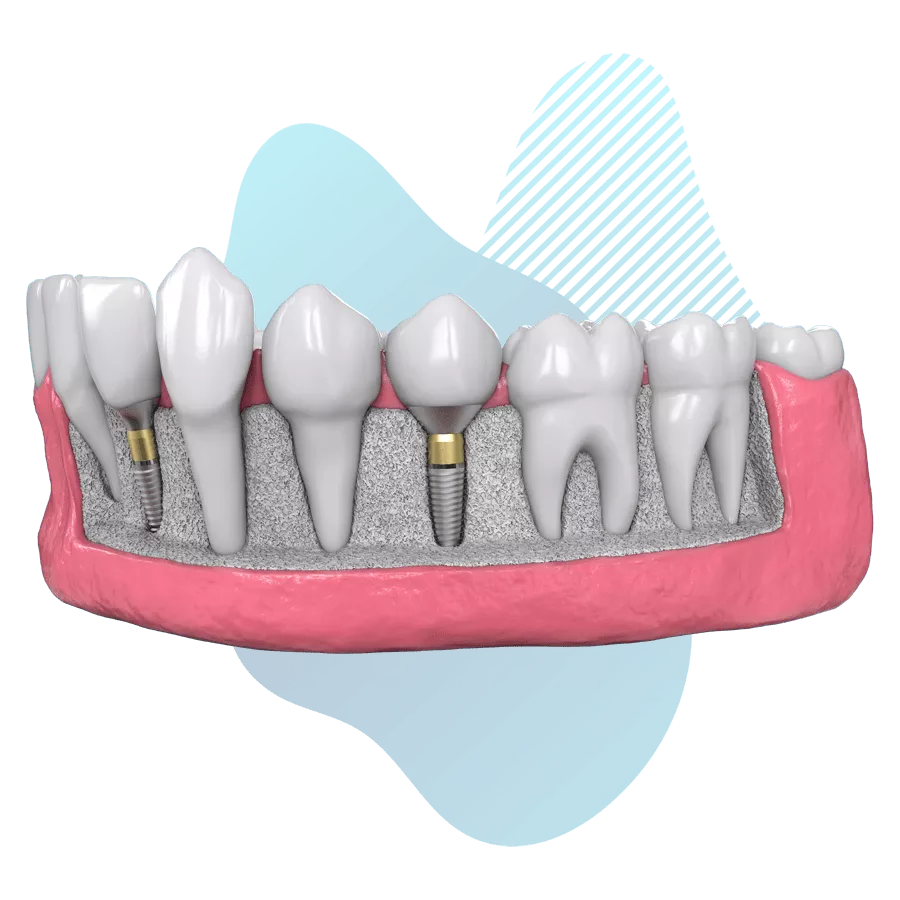
  • To replace bone lost following a tooth extraction.
  • To prevent further jawbone deterioration.
  • To create a sturdy base for the secure placement of a dental implant in London.
  • To rebuild the jaw’s structure for a more natural aesthetic outcome.
Bone Grafting- Dr Arman Barfeie Prosthodontist Official Website

Why Do Patients Experience Bone Loss After Tooth Loss?

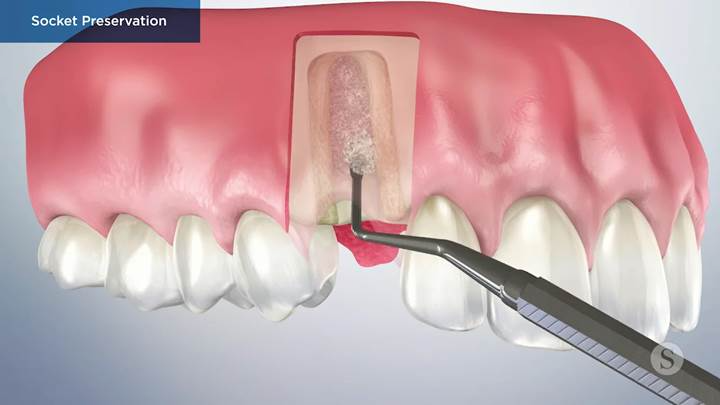
After a tooth extraction and oral surgery in London, the jawbone that once surrounded it no longer receives the necessary mechanical stimulation. This leads to a natural process called bone resorption, where the body gradually reabsorbs the ‘unused’ bone. This can cause the jaw to change shape and lead to a loss of bone volume over time. Effective bone loss treatment in Forest Hill is essential to counteract this process, a common concern addressed at Dr Arman Barfeie‘s practices.

For patients looking to fully restore missing teeth after bone loss, procedures like All-on-4 dental implants provide a stable and predictable solution for a complete smile.

Natural Bone Resorption After Tooth Extractionlthy Bone?

  • Loss of Stimulation: The jawbone requires pressure from chewing to maintain its density and volume.
  • Gradual Absorption: The body naturally resorbs non-functioning bone over a period of 12-18 months.
  • Facial Changes: This can lead to lip and chin sagging, creating a more aged appearance.
  • Functional Problems: It can impact your ability to chew and speak clearly.

This bone resorption after tooth loss in London is a key reason why timely intervention is recommended.

How Bone Loss Affects Implants and Oral Health

  • Insufficient Space: Inadequate bone volume to support a dental implant securely.
  • Need for Grafting: Often requires a dental bone graft procedure before implant placement. This is a common and highly successful bone grafting surgery in London.
  • Aesthetic Limitations: Can affect the natural-looking outcome of the final restoration.
  • Prosthetic Challenges: Makes fitting and functioning of dentures more difficult.

For many patients across the dental bone graft in the UK, a bone augmentation in Forest Hill is a crucial step to rebuild the jaw and create a stable foundation for a future implant. For those seeking specialised dentistry in London, Dr Arman Barfeie specialises in assessing bone density and performing these advanced procedures to ensure the best possible foundation for your new smile through meticulous planning and expert execution.

Who Needs Dental Bone Grafting Before Implant Placement in Forest Hill, London?

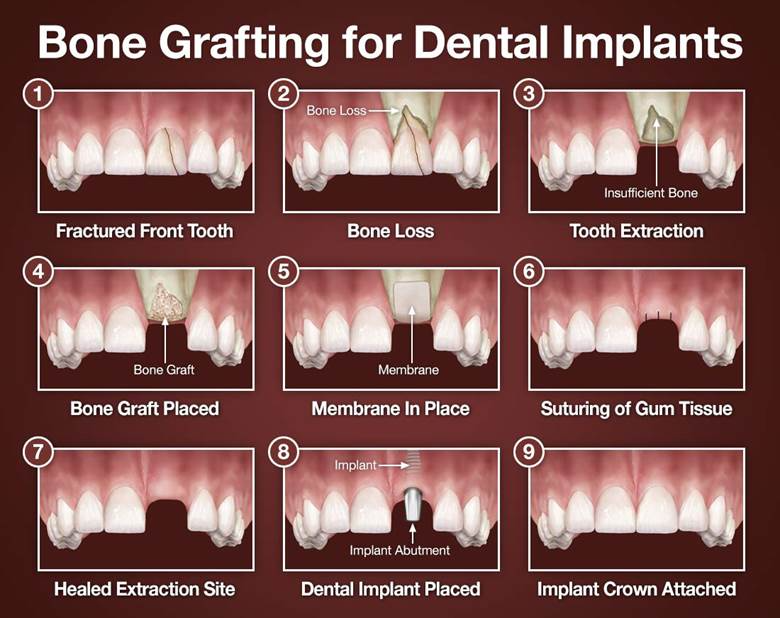
A dental bone graft is a common and highly successful procedure that is essential for many patients whose jawbone has deteriorated for various reasons. This method guarantees the long-term success of implants. For those in the area considering bone grafting for dental implants, a consultation with Dr Arman Barfeie in London, Forest Hill can determine if this is a necessary step for your treatment plan.

What to Expect from a Bone Graft for Dental Implants

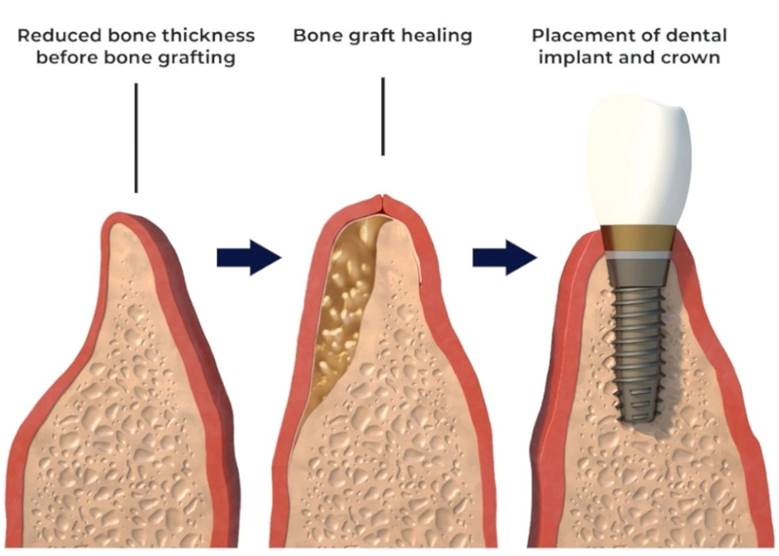
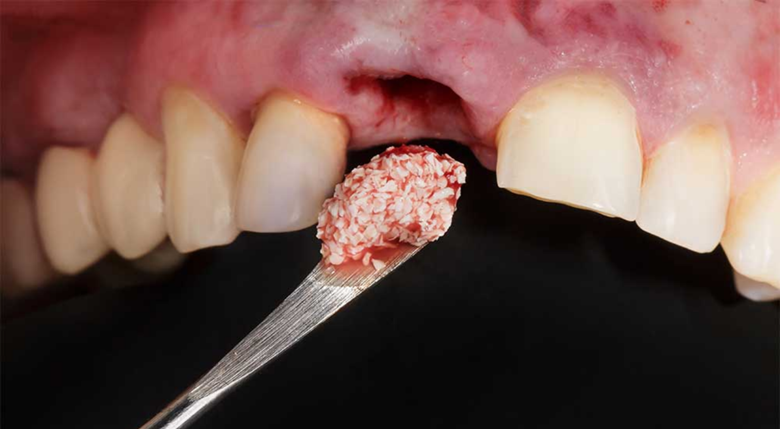
A tooth bone graft is a safe and well-established procedure. It involves placing a small amount of bone material — either from your own body or a biocompatible source — into the area where bone is deficient. This is performed under local anaesthetic at our clinic.

As the site heals, the grafted material integrates with your natural bone to form a stronger structure, capable of supporting dental implants. Healing time typically ranges from a few weeks up to 2–3 months, depending on the extent of the graft and your individual healing rate.
Bone Grafting- Dr Arman Barfeie Prosthodontist Official Website

Signs You May Require Bone Loss Treatment

  • A Past Tooth Extraction: Especially if the tooth was removed more than 6-12 months ago.
  • Advanced Gum Disease in London (Periodontitis): This has caused the destruction of the bone supporting the teeth.
  • Trauma or Injury: Historical injuries that have damaged the jawbone.
  • Severe Teeth Grinding (Dental Bruxism in London): This can cause gradual bone loss over time.
  • Long-Term Wear of Removable Dentures: This can place constant pressure on the bone ridge.

If you recognise any of these signs, a bone grafting surgery in Forest Hill could be the key to rebuilding your jaw and ensuring you are a suitable candidate for a permanent implant solution. This type of dental bone graft is a routine procedure that paves the way for a successful and lasting restoration.

Dental Bone Grafting Procedures in London — Sinus Augmentation & Ridge Augmentation Explained

A dental bone graft is a specialised procedure performed to rebuild the jawbone and create a solid foundation for dental implants. In London, this treatment is carried out using advanced technology and high-quality materials to ensure the best possible results. For patients seeking bone augmentation surgery in Forest Hill or a sinus graft in London, understanding these techniques is the first step.

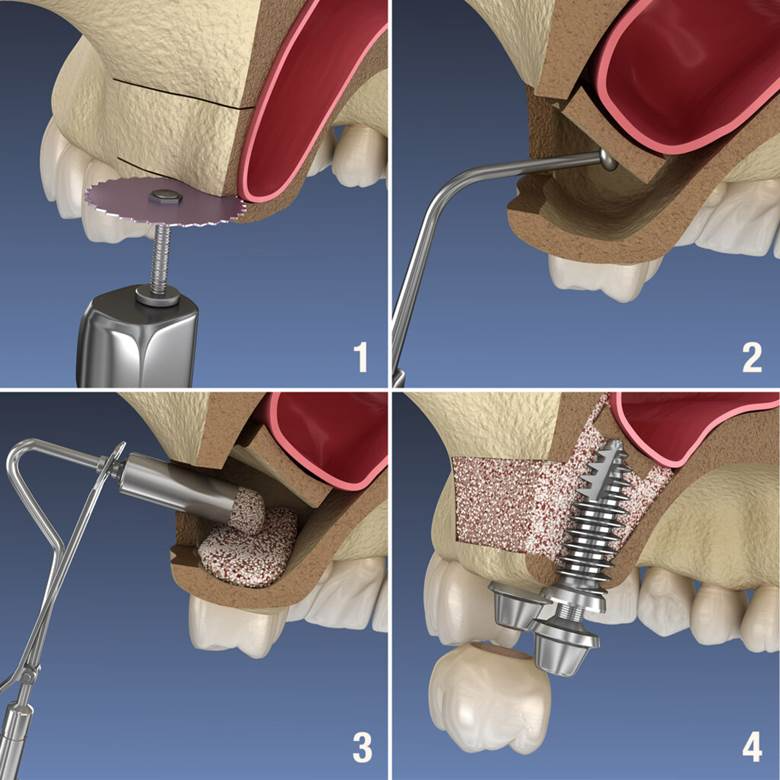
Sinus Augmentation (Sinus Lift) in Forest Hill, London

Sinus augmentation in Forest Hill is typically required when:

  • There is insufficient bone in the upper jaw in the molar area.
  • The sinus is positioned very low.
  • More bone height is needed for dental implants in the back of the upper jaw.

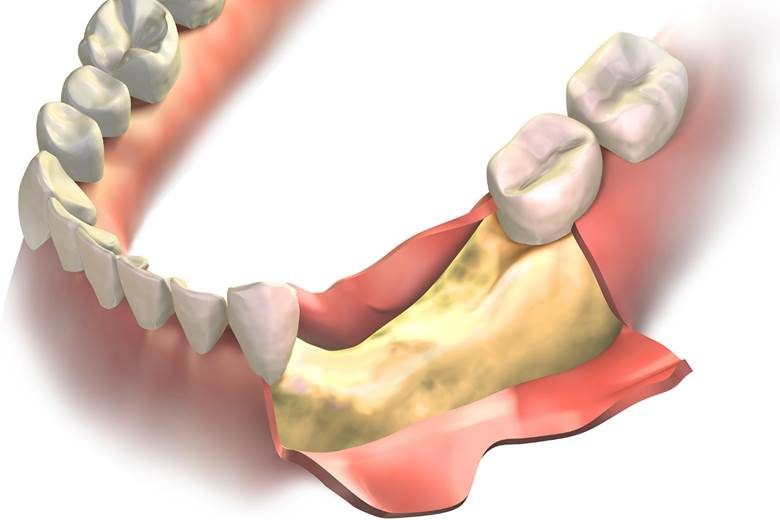
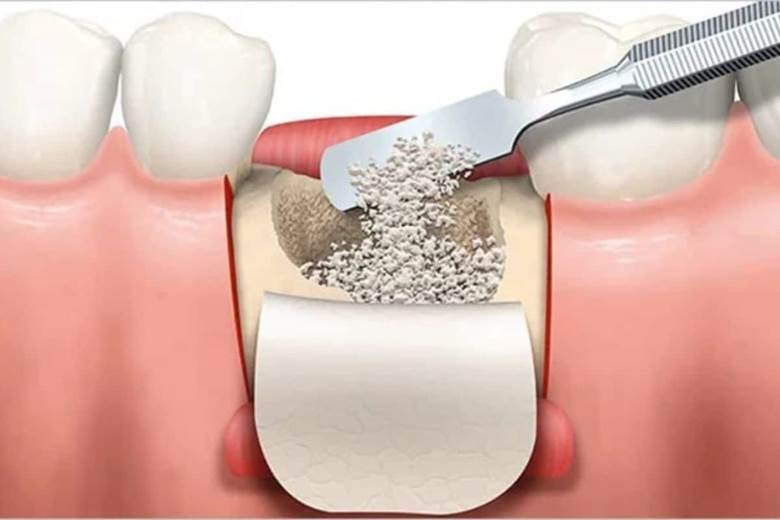
This procedure involves gently lifting the sinus membrane and filling the space beneath it with bone graft material. This specialised bone grafting procedure in Forest Hill is a common prerequisite for implants in this area.
Bone Grafting- Dr Arman Barfeie Prosthodontist Official Website

Preparing for Bone Graft Surgery

Preparation for a bone grafting dental procedure in London involves:
  • Initial Consultation: A comprehensive examination and 3D CBCT imaging.
  • Medical Tests: A review of your general health and blood tests, if needed.
  • Treatment Planning: Selecting the most suitable type of graft material.
  • Patient Preparation: Providing clear pre-operative instructions.
Bone Grafting- Dr Arman Barfeie Prosthodontist Official Website

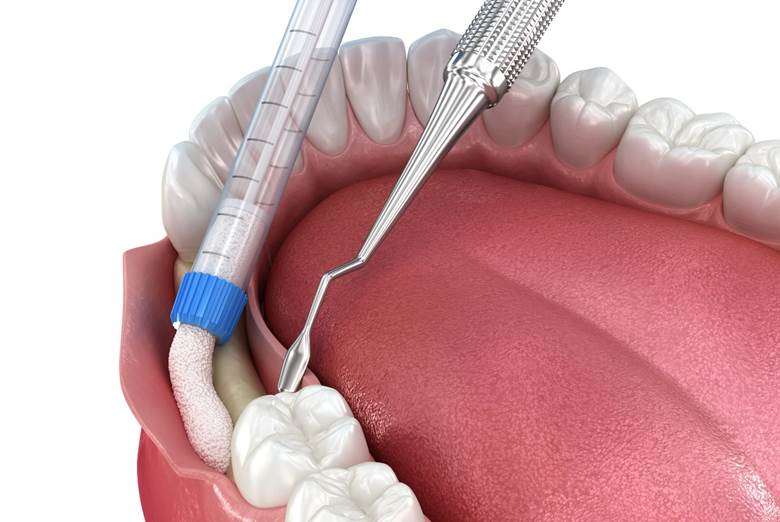
What Happens During the Bone Grafting Surgery

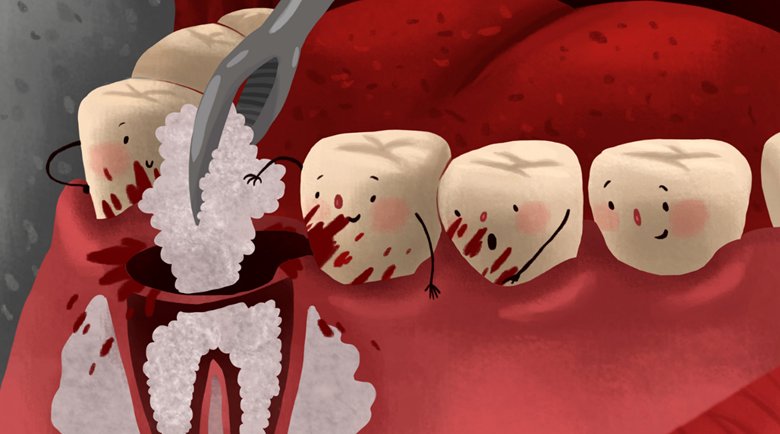
  • Local Anaesthetic: The area is completely numbed for your comfort.
  • Incision and Access: A small incision is made to access the treatment site.
  • Graft Placement: The grafting material is carefully placed into the area.
  • Closing the Incision: The site is closed with dissolvable stitches.
  • Procedure Time: The surgery typically takes between 45 and 90 minutes.

This bone grafting surgery in London is performed with precision to ensure optimal conditions for healing.
Bone Grafting- Dr Arman Barfeie Prosthodontist Official Website

Ridge Augmentation for Restoring Jawbone Shape in London

Ridge augmentation in London is performed to:

  • Rebuild the width and height of the jaw ridge.
  • Create a suitable foundation for a future dental implant.
  • Restore facial aesthetics and smile harmony.
  • Improve chewing and speech function.

This bone grafting for dental implant treatment is essential for achieving a natural-looking result or smile makeover in London. Bone augmentation significantly increases the implant success rate and creates a natural, long-lasting outcome. For expert care in these procedures, Dr Arman Barfeie at his practice in London, Forest Hill, provides comprehensive treatment planning and skilled surgical execution.
Bone Grafting- Dr Arman Barfeie Prosthodontist Official Website

Recovery After Dental Bone Graft Surgery

The recovery period following a dental bone graft is typically quick, with minimal discomfort. Most patients find they can return to normal activities within 1-2 days, although complete healing and full bone integration usually takes between 3 and 6 months. For patients in London, Forest Hill, understanding this bone graft healing timeline is an important part of the journey.
Bone Grafting- Dr Arman Barfeie Prosthodontist Official Website

This careful monitoring is a crucial part of bone graft healing in London and ensures the best foundation for future treatment. Adhering to your bone grafting aftercare instructions is vital for this process. For those under the care of Dr Arman Barfeie, a comprehensive plan for your dental bone graft recovery in London will be provided.
Bone Grafting- Dr Arman Barfeie Prosthodontist Official Website

Healing and Integration Phase After Surgery

First Week:

  • Some swelling and mild bruising are perfectly normal.
  • You may experience mild discomfort, which can be easily managed with prescribed medication.
  • Adhering to a soft, cool diet is essential during this initial phase.

1-3 Months:

  • The graft material gradually integrates with your natural bone in a process called ossification.
  • Your body’s own bone-building cells slowly replace the graft, forming new, strong bone.

3-6 Months:

  • The bone becomes fully mature and is ready to support a dental implant.
  • Your dentist will use follow-up imaging to check that the integration is complete and successful.

It’s Not Just About Teeth — It’s About Smiles, Confidence, and the Life You Deserve.

Book your consultation and discover how Dr Arman Barfeie can change your life in Forest Hill, London!

We’re Waiting for Your Move!

Is Dental Bone Grafting Safe? Risks, Complications & Success Rates

Yes, a dental bone graft is a very safe and predictable procedure, performed with a high success rate of 90-95% in modern clinics. Technological advancements and specialist expertise have made this one of the most reliable procedures in dentistry. For patients considering bone augmentation in Forest Hill, understanding the excellent dental bone graft success rate in London and the protocols for bone grafting safety is reassuring.

Possible Risks and How We Prevent Them in Forest Hill Clinics

Rare Risks and Their Management:

  • Infection: Minimised with prescribed antibiotics and strict sterile protocols.
  • Bleeding: Controlled using advanced surgical techniques and careful monitoring.
  • Graft Rejection: Greatly reduced by using high-quality materials and selecting the appropriate graft type.
  • Swelling and Discomfort: Managed effectively with prescribed medication and detailed aftercare instructions.

While bone augmentation complications in London are uncommon, choosing an experienced practitioner like Dr Arman Barfeie in London Forest Hill significantly minimises these risks and paves the way for a successful outcome, creating a solid foundation for future dental work.

How Bone Grafting Supports Long-Term Dental Implant Success in Forest Hill, London

For patients seeking bone grafting for dental implants in London or bone loss treatment in London, dental bone grafting is often an essential first step that:
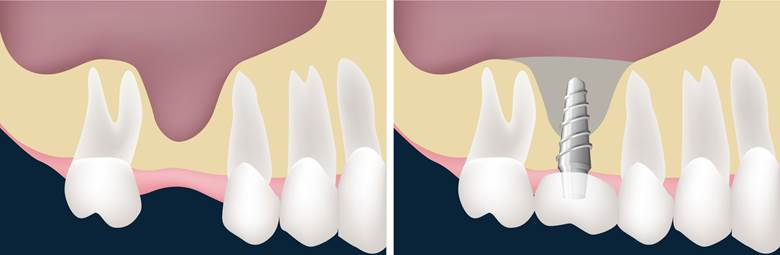
  • Provides a Natural Aesthetic: Creates a result that is seamless and harmonious with your adjacent teeth.
  • Creates a Strong Foundation: Provides sufficient bone to fully support the implant and reduces implant failure risk.
  • Prevents Bone Loss: Helps prevent further deterioration of the jawbone.
  • Ensures Even Force Distribution: Distributes the forces of chewing evenly across the implant.
  • Helps Prevent Peri-Implantitis: By maintaining the health of the surrounding tissues.
Bone Grafting- Dr Arman Barfeie Prosthodontist Official Website

For those in need of a dental bone graft in Forest Hill, a consultation with Dr Arman Barfeie can determine the best approach.

Advanced Technology for Dental Bone Grafting in Forest Hill, London

In modern London clinics like Dr Arman Barfeie’s, the most advanced digital technologies are used for bone augmentation in London. These innovations maximise the precision of the procedure, reduce recovery times, and create more predictable outcomes. For patients at London Dental Arts, this commitment to technology ensures the highest standard of care for a dental bone graft.

Digital Imaging and Guided Surgery Techniques

  • 3D Cone Beam CT (CBCT) Scanning: Provides high-resolution images of the bone structure, essential for accurate 3D imaging of bone graft planning.
  • Digital Smile Design: Allows for precise planning of the final implant and graft position.
  • Computer-Guided Surgery: Ensures the graft material and any future implants are placed with digital precision.
  • Advanced Software: Enables the simulation of the final result before treatment even begins.

This sophisticated implant technology in Forest Hill minimises guesswork and enhances safety.
Bone Grafting- Dr Arman Barfeie Prosthodontist Official Website

London Dental Arts – Cutting-Edge Implant & Bone Graft Centre

  • Modern Technology: Equipped with the latest digital devices for diagnosis and treatment.
  • Premium Materials: Use of high-quality, reliable grafting materials.
  • Sterile Environment: Adherence to the highest standards of hygiene and infection control.

This combination of skill and technology contributes to its reputation as the best dental clinic in London for complex restorative procedures. Under the care of Dr Arman Barfeie in London, Forest Hill, patients have access to this full spectrum of advanced techniques, ensuring that even cases requiring significant dental bone graft reconstruction are handled with expert skill and the best technology available.

Caring for Your Mouth After a Dental Bone Graft in Forest Hill, London

Post-operative care is absolutely crucial for the success of the procedure and for proper healing. By following the correct instructions, you can accelerate the recovery process and prevent potential complications. Adhering to a meticulous bone grafting hygiene routine is the most important thing you can do for your dental bone graft recovery.

Oral Hygiene and Daily Habits After Surgery

  • Gentle Brushing: Use a soft-bristle toothbrush and carefully avoid the surgical site for the first few weeks.
  • Mouth Rinsing: Use a chlorhexidine mouthwash as directed by your dentist to keep the area clean.
  • Flossing: Avoid using floss around the surgical area until it has fully healed.
  • Regular Check-ups: Attend all scheduled follow-up appointments so your dentist can monitor your progress.

This careful dental bone graft care in London is essential for successful healing and integration of the graft.

Foods and Habits to Avoid During Recovery

Recommended Foods (a good bone grafting recovery diet in London):

  • Soft, cool foods (purees, soup, yoghurt)
  • Cool drinks (consumed without a straw)
  • Protein-rich foods (soft eggs, cheese)

Habits to Avoid (key things to avoid after bone graft):

  • Smoking: Strictly prohibited for at least 4 weeks, as it severely hinders healing.
  • Using a Straw: Creates negative pressure in the mouth, which can dislodge the blood clot and graft material.
  • Hard, Crunchy Foods: Should be avoided for up to 8 weeks.
  • Strenuous Activities: Should be limited for the first 2 weeks.
  • Direct Heat: Avoid heat packs on the cheek for the first 48 hours; use ice packs instead to manage swelling.

For patients undergoing dental bone grafting aftercare in Forest Hill with Dr Arman Barfeie in London, you will receive comprehensive, personalised instructions to guide you through every step of your recovery.

How Much Does a Dental Bone Graft Cost in Forest Hill, London?

The cost of a dental bone graft in London, Forest Hill, varies depending on the complexity of your individual case. This fee usually includes your initial consultation, any necessary scans, the graft material itself, and the surgical procedure. We understand this is a significant investment, which is why we offer flexible payment plans and personal financial advice to make your treatment accessible.

Factors That Influence the Price of Bone Grafting in London

Several key factors will influence the final cost of your bone grafting procedure:
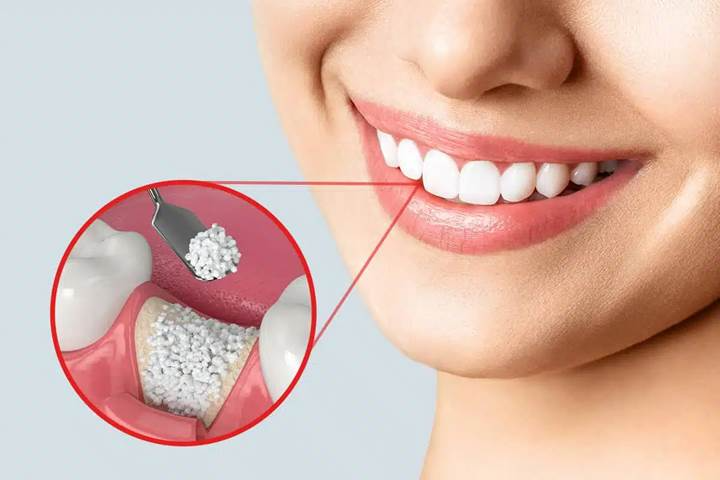
  • Type of Graft Material Used: Options include autograft, allograft, xenograft, or synthetic materials, each with different cost implications.
  • Extent of the Area Requiring Treatment: The amount of bone loss and the number of sites needing reconstruction.
  • Need for Additional Procedures: Such as a sinus lift, which will add to the overall cost.
Bone Grafting- Dr Arman Barfeie Prosthodontist Official Website

The Surgeon’s Expertise: The experience and skill of the dentist performing the procedure. For a consultation to discuss your specific needs and the associated bone grafting in the UK, cost factors, we invite you to visit Dr Arman Barfeie at his practice in London, Forest Hill.

FAQ

1. What exactly is a dental bone graft?

A dental bone graft is a surgical procedure used to rebuild or augment bone in your jaw. This is often necessary when the jawbone has deteriorated due to tooth loss, gum disease, or injury, and needs to be strengthened to support a dental implant or restore its natural contour.

2. Why might I need a bone graft for a dental implant?

When a tooth is missing, the jawbone that once supported it begins to shrink (resorb) due to a lack of stimulation. If too much bone is lost, there may not be enough sturdy bone to securely anchor a dental implant. A bone graft creates a solid foundation, ensuring your implant has the best chance of long-term success.

3. Are there different types of bone graft materials?

Yes. There are several types, including: Autografts: Bone taken from your own body (e.g., chin or hip). Allografts: Processed bone from a human donor. Xenografts: Bone from an animal source (usually bovine), which is specially treated to be safe and biocompatible. Alloplasts: Synthetic, lab-made bone substitutes. Your dentist will recommend the best option for your specific needs.

4. Is the procedure painful?

The procedure itself is performed under local anaesthetic, so you shouldn't feel any pain. Afterwards, any discomfort is typically mild to moderate and can be effectively managed with over-the-counter pain relief like ibuprofen or paracetamol, as recommended by your dentist.

5. What is the recovery process like?

Recovery varies but generally involves some swelling and bruising for a few days. You'll need to eat a soft food diet and avoid disturbing the graft site. It's crucial to follow your dentist's aftercare instructions carefully. The bone itself will take several months to heal and integrate fully before an implant can be placed.

6. How long does the entire process take from graft to final tooth?

The bone graft requires time to heal and fuse with your natural bone, a process called osseointegration. This typically takes between 4 and 9 months. Once healed, the standard dental implant process (placing the implant, allowing it to fuse, then adding the crown) can take a further 3 to 6 months. In total, the process can take up to a year or more, depending on your individual case.

7. Will my NHS cover the cost of bone grafting?

Bone grafting and dental implants are primarily considered cosmetic or complex restorative procedures and are not routinely available on the NHS. They are almost always performed privately. You should discuss the full treatment plan and costs with your dental practice in Forest Hill during your consultation.

8. Are there any risks or potential complications?

As with any surgical procedure, there are some risks, though complications are uncommon when performed by a skilled clinician. These can include infection, bleeding, graft failure, or numbness. Your dentist will discuss all potential risks with you beforehand and take every precaution to minimise them.

9. How do I know if a bone graft has been successful?

Success is typically measured by the growth of new bone in the treated area. Your dentist will monitor the healing process with follow-up appointments and may use X-rays or 3D scans to confirm that the graft has integrated successfully with your natural bone before proceeding with the next step.

Streamlined Dental Appointments

Submit your details using our form and book your appointment online. Our team members will also contact you to confirm your booking, ensuring a smooth and personalised dental care experience.


Trust Dr Arman Barfeie to transform your smile with expert dental implants, stunning cosmetic treatments, and thorough, personalized care. Enjoy a warm, patient-focused experience that guarantees your comfort and delight at his premier Forest Hill dental practice.
Connecting Online

Book an Appointment Now

Our Policy