
Modern dentistry offers secure, natural-looking solutions that let you eat, laugh, and speak without fear or frustration. Dr Arman barfeie in Forest Hill, London create dentures that don’t just replace teeth, they restore confidence. Stop hiding, stop struggling—take back your smile today.
Dentures remain one of the most longstanding yet widely used solutions in restorative dentistry, having brought about a remarkable transformation in the lives of edentulous patients. Available in both complete and partial forms, dentures not only enhance masticatory function and speech but also play a vital role in preserving facial structure and restoring patients’ confidence. The cost of dentures in the UK reflects recent advancements in materials and digital fabrication techniques that deliver unprecedented aesthetics and comfort.
Proper maintenance and care of dentures are crucial for extending their longevity and ensuring patients’ oral health. Daily cleaning with specialised denture products and correct techniques prevents plaque and bacterial accumulation. Educating patients on the most effective at-home cleaning methods and when to seek professional adjustments or repairs is essential for long-term success.
Today, specialised denture repair and maintenance services are offered quickly and reliably at most dental clinics in London. Dentists should routinely assess patients for denture fit, oral tissue health, and the need for adjustments or replacements. Dr Arman Barfeie takes this standard of care further by incorporating annual digital denture audits—using intraoral scanners and AI-assisted pressure mapping to detect microscopic fit changes before they cause discomfort or tissue damage, ensuring proactive rather than reactive care. This article provides a comprehensive review of denture types, care protocols, and best practices for maintenance.
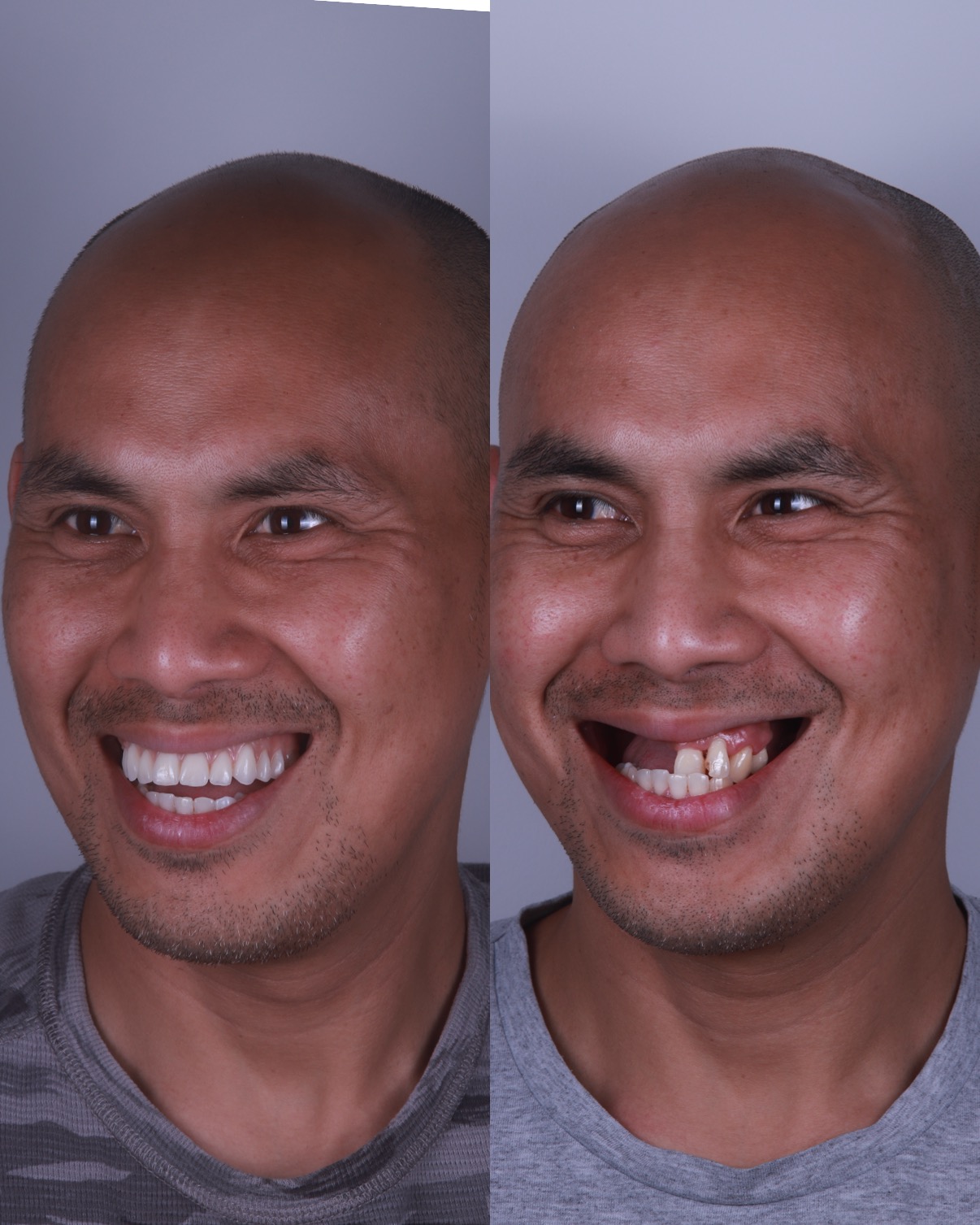
Dental prostheses are artificial devices designed to replace missing teeth and surrounding tissues. Research published in the British Dental Journal (BDJ, 2024) indicates that modern dentures, fabricated from acrylic or metal (cobalt-chromium) alloys, can restore 70–80% of natural dental function. The Royal College of Surgeons of England (RCS Eng, 2024) emphasises that their design must adhere to biomechanical principles and each patient’s unique anatomy.
Beyond masticatory rehabilitation, fake dentures play a critical role in facial structure preservation and speech improvement. The British Society for the Study of Prosthetic Dentistry (BSSPD, 2024) reports that these devices mitigate alveolar bone resorption and prevent facial collapse associated with tooth loss. Studies in the Journal of Prosthetic Dentistry (2024) note that initial adaptation typically requires 4–6 weeks, with periodic adjustments necessary. Patients should attend annual reviews to assess prosthesis fit and underlying tissues, as bony changes may necessitate relining or replacement (British Dental Journal, 2024).
Dental prostheses are broadly categorised into two main types: fixed and removable.
Removable prostheses are subdivided into complete and partial dentures. According to the British Dental Association (BDA, 2024) classification:
Research in the British Dental Journal (BDJ, 2024) indicates that metal-based partial dentures exhibit greater durability, with a functional lifespan of 10–15 years, whereas acrylic variants generally require replacement every 5–7 years.
Fixed prostheses include conventional bridges and implant prostheses. The Association of Dental Implantology UK (ADI, 2024) classifies implant prostheses into three categories:
The Royal College of Surgeons of England (RCS Eng, 2024) highlights that implant-supported prostheses boast a 10-year clinical success rate of 95%, closely mimicking natural dentition in function. Additionally, immediate dentures—fitted post-extraction—serve as a transitional option, though they require prolonged adaptation periods (British Dental Journal, 2024).
Book your consultation and discover how Dr Arman Barfeie can change your life in Forest Hill, London!
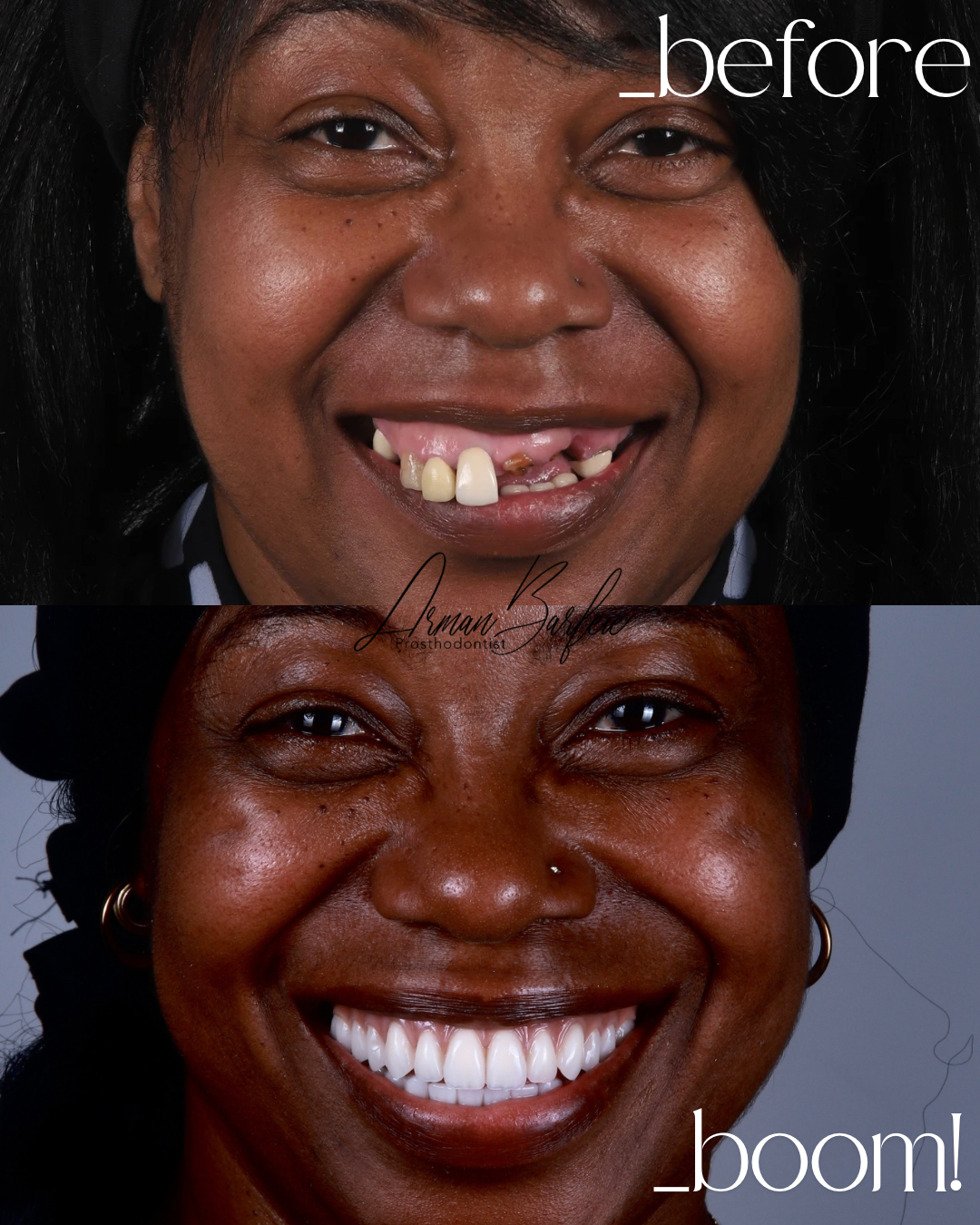
Specialist denture repair centres across the UK provide rapid and reliable services for damaged prostheses. By British Dental Association (BDA, 2024) standards, most equipped clinics can complete emergency repairs—such as acrylic base fractures or replacement of artificial teeth—within 24 hours. Studies published in the British Dental Journal (BDJ, 2024) indicate that 90% of routine denture repairs (e.g., metal clasp adjustments or base relining) can be completed in a single appointment. The Royal College of Surgeons of England (RCS Eng, 2024) emphasises that digital technologies (e.g., 3D scanning and CAD/CAM printing) have significantly improved repair precision.
Patients in London can find accredited denture repair services through the BDA’s directory, though Dr Arman Barfeie offers superior digital prosthodontic restorations, combining same-day CAD/CAM repairs with precision 3D scans for lasting comfort and function. The British Society for the Study of Prosthetic Dentistry (BSSPD, 2024) reports that most major UK cities have at least one specialist repair centre offering 24-hour services. Repair costs vary depending on complexity (British Dental Journal, 2024).
Key Patient Advisory Note:
Cleaning dentures properly is essential for maintaining optimal oral hygiene and extending the prosthesis’s lifespan. The British Dental Association (BDA, 2024) recommends that dentures should be cleaned at least twice daily using a soft-bristled denture brush and lukewarm water. Studies published in the British Dental Journal (BDJ, 2024) indicate that regular toothpaste should be avoided due to its high abrasiveness, which can cause microscopic scratches and promote bacterial accumulation. Instead, non-abrasive denture cleansers containing cleaning enzymes are recommended. The Royal College of Surgeons of England (RCS Eng, 2024) emphasises that dentures should be rinsed under running water after each meal to remove food particles from between the artificial teeth.
For deep disinfection of dentures, the British Society for the Study of Prosthetic Dentistry (BSSPD, 2024) recommends using peracetic acid-based cleaning tablets once daily. These tablets should be dissolved in lukewarm water, with the denture soaked for 10-15 minutes. Research published in the Journal of Prosthetic Dentistry (2024) demonstrates that soaking dentures in a 1:1 water-vinegar solution for 30 minutes, twice weekly, can help reduce biofilm accumulation.
When not in use (particularly overnight), dentures should be stored in clean water or a specialist denture solution to prevent drying out and warping (British Dental Journal, 2024). Dentures should never be placed in hot water, as this can cause acrylic base deformation.
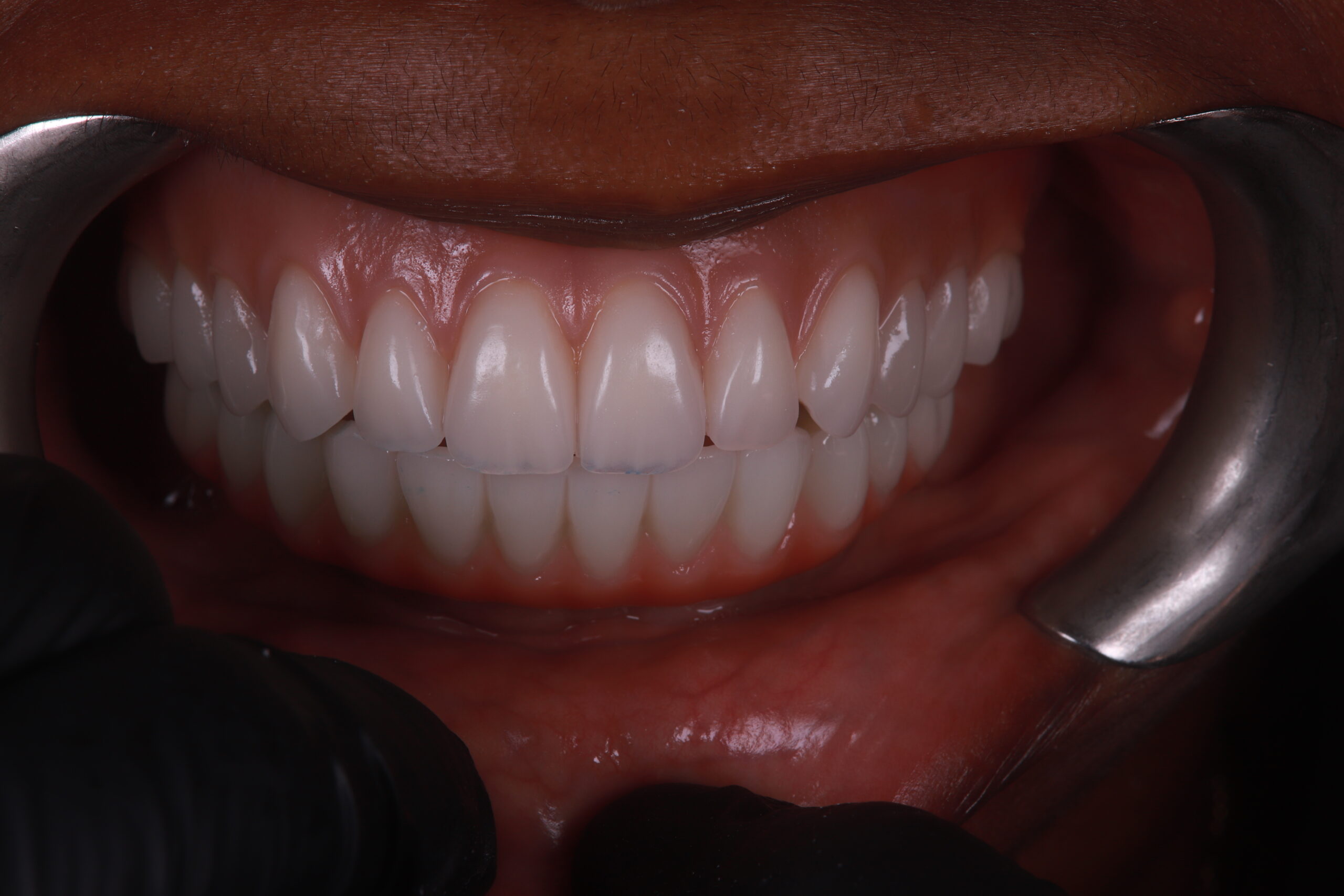
The British Dental Association (BDA, 2024) categorises denture cleansers based on three key criteria: safety, efficacy, and material compatibility. Top-rated products include peracetic acid-based cleaning tablets (such as Corega and Polident), which, according to British Dental Journal (BDJ, 2024) studies, eliminate 99.9% of bacteria and biofilm. The Royal College of Surgeons of England (RCS Eng, 2024) recommends non-abrasive denture gels (like Proxident and Dentu-Creme) for daily cleaning, as they contain no abrasive particles that might scratch prosthetic surfaces. These enzyme-based formulations effectively break down denture plaque without damaging acrylic components.
Among newer developments, ultrasonic denture cleaners have gained professional attention. The British Society for the Study of Prosthetic Dentistry (BSSPD, 2024) reports that devices like UltraClean Denture Cleaner utilise ultrasonic waves and activated oxygen to penetrate deep into prosthesis pores. Research in the Journal of Prosthetic Dentistry (2024) confirms the efficacy of hypochlorous acid (HOCl) compounds in products like Steradent Active Plus, which combine cleansing with anti-inflammatory benefits for oral tissues. For delicate prostheses with metal components, peroxide-free solutions such as Retainer Brite (recommended by the British Dental Journal, 2024) are preferable, offering effective disinfection without causing metal oxidation.
For optimal denture hygiene, the British Dental Association (BDA, 2024) recommends cleaning prostheses twice daily (morning and evening) using these methods:
The British Dental Journal (BDJ, 2024) confirms that lukewarm water with mild washing-up liquid (abrasive-free) serves as an effective daily cleaning solution. The Royal College of Surgeons of England (RCS Eng, 2024) strictly advises against:
The British Society for the Study of Prosthetic Dentistry (BSSPD, 2024) recommends this weekly disinfection routine:
Journal of Prosthetic Dentistry (2024) research indicates that overnight storage in a specialist solution prevents:
Critical Don’ts:
✗ Never wrap in paper towels (fracture risk)
✗ Avoid dry storage
The British Dental Journal (2024) mandates biannual professional check-ups for denture assessment.
The British Dental Association (BDA, 2024) advises annual denture check-ups for all wearers, including asymptomatic cases. In London, Dr Arman Barfeie enhances this protocol with digital diagnostics, using intraoral scanners and AI wear-pattern analysis to detect microscopic changes before they become problematic. Studies in the British Dental Journal (BDJ, 2024) show that gradual jawbone changes can loosen dentures without immediate symptoms. The Royal College of Surgeons of England (RCS Eng, 2024) advises prompt dental visits for: recurrent gum sores, chewing/speaking difficulties, cracks/breakages, noticeable looseness, or changes in bite alignment – all potential signs needing denture relining or replacement.
For maintenance, the British Society for the Study of Prosthetic Dentistry (BSSPD, 2024) outlines three key services: adjustments (every 2 years), relining (3-5 years), and full replacements (5-10 years). Journal of Prosthetic Dentistry (2024) notes smokers/diabetics may need more frequent visits due to accelerated bone loss. Neglecting these intervals risks severe bone deterioration, permanent bite changes, and facial distortion (British Dental Journal, 2024). Modern digital techniques now enable more precise, longer-lasting prostheses.
Complete dentures remain the primary treatment for edentulous patients, particularly when implant-supported prostheses are contraindicated due to bone volume limitations, medical comorbidities, or financial constraints. Modern techniques emphasise neutral zone impressioning and balanced occlusion principles.
CAD/CAM denture systems now enable precise virtual tooth arrangement, automated milling of acrylic bases, and 3D printing of trial dentures. These digital workflows improve accuracy while reducing laboratory time and material waste compared to conventional methods.
Contemporary protocols recommend pre-extraction records, strategic bone reduction planning, and tissue conditioning materials to facilitate the transition from natural dentition. The use of duplicate immediate dentures as long-term temporaries has gained acceptance in staged treatment approaches.
Treatment involves antifungal therapy (nystatin or miconazole), denture hygiene education, and tissue rest periods combined with denture surface modification to reduce Candida albicans adhesion. Recurrent cases may require denture replacement with antimicrobial lining materials.
High-impact polymers and nanocomposite resins now offer improved fracture resistance, while silicone-based soft liners provide enhanced comfort for atrophic ridges. Research continues into antimicrobial-impregnated acrylics to reduce biofilm formation.
The 2023 FGDP guidelines recommend implant-retained overdentures for patients with severe ridge resorption or functional complaints, with a minimum of two implants in the mandible, significantly improving retention and patient satisfaction compared to conventional dentures.
Submit your details using our form and book your appointment online. Our team members will also contact you to confirm your booking, ensuring a smooth and personalised dental care experience.


Sign up to our newsletter
Trust Dr Arman Barfeie to transform your smile with expert dental implants, stunning cosmetic treatments, and thorough, personalized care. Enjoy a warm, patient-focused experience that guarantees your comfort and delight at his premier Forest Hill dental practice.
