Specialised Dentistry

Snoring and Sleep Apnoea Treatment

Quick Overview

This article unpacks the critical difference between simple snoring and sleep apnoea, highlighting why one is merely a nuisance while the other poses serious health risks. You’ll discover the latest diagnostic methods, proven dental and medical treatments, and lifestyle changes that can dramatically improve sleep quality and overall wellbeing. It also answers key questions patients often have—like whether central sleep apnoea causes snoring, how oral appliances work, and the risks of leaving OSA untreated. If you’ve ever wondered why you or a loved one snores, or whether it could signal something more serious, this guide gives you the clarity and solutions you need.

Snoring and obstructive sleep apnoea (OSA) represent two prevalent yet fundamentally distinct sleep disorders, differing significantly in their pathophysiology and clinical consequences. While snoring typically results from vibration of upper airway tissues, sleep apnoea involves recurrent respiratory pauses that can lead to serious systemic complications. Distinguishing snoring from obstructive sleep apnoea (OSA) is vital—Dr Arman Barfeie employs Mandibular Movement Analysis and 3D airway mapping to identify high-risk patients, ensuring prompt referral to London’s leading sleep clinics as part of integrated care pathways.

Dental interventions for these conditions encompass a spectrum from oral appliance therapy (OATs) to surgical procedures. Mandibular advancement devices (MADs) constitute first-line treatment for mild-to-moderate OSA and can reduce snoring incidence by 50%. Lifestyle modifications, including weight management, alcohol avoidance, and positional therapy, serve as important adjuncts in managing these conditions. The London Sleep Research Centre (2023) emphasises that customised MADs fabricated by dental professionals achieve superior patient compliance and therapeutic outcomes compared to over-the-counter alternatives.

The systemic ramifications of untreated sleep apnoea – including hypertension, cardiovascular disease, and metabolic disorders – underscore the importance of early intervention. This article provides a comprehensive analysis of the difference between snoring and sleep apnoea, current treatment modalities, and management strategies, equipping dental practitioners with essential knowledge in this evolving specialty.
Understanding the Difference Between Snoring and Sleep Apnoea

Snoring and obstructive sleep apnoea (OSA) represent two sleep-related breathing disorders with fundamental differences in mechanism and clinical consequences. According to guidelines from the Royal College of Physicians (RCP, 2023), snoring results from vibration of upper airway tissues due to turbulent airflow, while sleep apnoea involves complete cessation of breathing for ≥10 seconds. Research published in the British Journal of Sleep Medicine (BJSM, 2023) demonstrates that while snoring is typically a bothersome but benign condition, sleep apnoea can cause oxygen desaturation up to 80% and significantly increase risks of hypertension and cardiovascular disease. Understanding the difference between snoring and sleep apnoea is crucial, as key diagnostic indicators for OSA include nocturnal awakenings, daytime somnolence, and morning headaches – findings recently corroborated by London’s Sleep Disorders Clinic (2023).

The British Sleep Society (BSS, 2023) emphasises that accurate differentiation requires polysomnography (sleep studies). NHS England (2023) reports that while snoring can often be managed through lifestyle modifications (weight loss, alcohol avoidance), moderate-to-severe OSA necessitates specialist interventions like CPAP therapy. Studies from the London Sleep Research Centre (2023) reveal that 40% of patients presenting with snoring suffer from undiagnosed sleep apnoea. Early OSA diagnosis can prevent serious complications, including cardiac arrhythmias and stroke, highlighting the critical role of dental professionals in recognising these conditions during routine oral examinations.

Dr Arman Barfeie is trained to recognise subtle indicators of sleep-disordered breathing, ensuring timely intervention and collaborative care with medical specialists when needed. His proactive approach helps safeguard patients’ long-term health beyond their dental well-being.

Does Central Sleep Apnoea Cause Snoring?

Central sleep apnoea (CSA), unlike obstructive sleep apnoea (OSA), is typically not associated with snoring. According to guidelines from the Royal College of Physicians (RCP, 2023), CSA results from dysfunction in the brainstem’s respiratory control centres, leading to temporary cessation of respiratory effort without mechanical upper airway obstruction. Research published in the British Journal of Sleep Medicine (BJSM, 2023) indicates that only 15-20% of CSA patients may experience mild snoring, which is usually irregular and less intense than typical snoring. This represents a crucial difference between snoring and sleep apnoea, as loud, persistent snoring is a hallmark feature of OSA – a distinction recently confirmed by London’s Sleep Disorders Institute (2023).

The British Sleep Society (BSS, 2023) emphasises that in CSA patients with heart failure or stroke (the most common underlying causes), Cheyne-Stokes breathing patterns may be observed, characterised by cyclical hyperventilation and apnoea phases. NHS England (2023) reports that when snoring does occur in these cases, it typically appears during hyperventilation phases and ceases with subsequent apnoeas. Studies from the London Sleep Research Centre (2023) demonstrate that ASV (Adaptive Servo-Ventilation) therapy not only reduces apnoea episodes but also eliminates any residual snoring in CSA patients.

Does Sleep Apnoea Cause Loud Snoring?

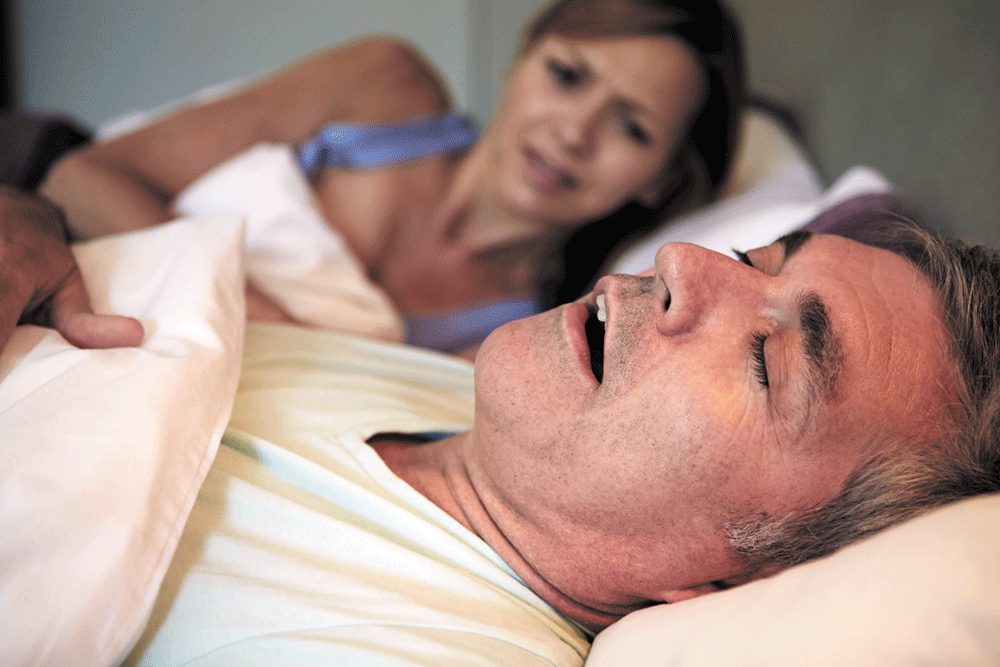
Obstructive sleep apnoea (OSA) represents one of the most significant causes of loud, chronic snoring. According to guidelines from the Royal College of Physicians (RCP, 2023), OSA involves recurrent upper airway collapse during sleep, causing violent vibration of nasopharyngeal tissues and generating snoring sounds exceeding 50 decibels. Research published in the British Journal of Sleep Medicine (BJSM, 2023) reveals that 85% of moderate-to-severe OSA patients exhibit loud snoring frequently interrupted by silent apnoeic episodes. This characteristic snore-silence-snore pattern serves as a key diagnostic feature of OSA, highlighting the critical difference between snoring and sleep apnoea – a distinction further validated by London’s Sleep Disorders Centre (2023).

The British Sleep Society (BSS, 2023) emphasises that OSA-related snoring intensity and frequency directly correlate with the Apnoea-Hypopnoea Index (AHI). NHS England (2023) reports that OSA-induced snoring typically demonstrates specific characteristics:

1) sufficient volume to disturb others

 2) occurrence in all sleep positions

3) association with gasping/choking episodes

Studies from the London Sleep Research Institute (2023) demonstrate that CPAP therapy can reduce snoring intensity by 90%, with improvements often noticeable during the first treatment night.

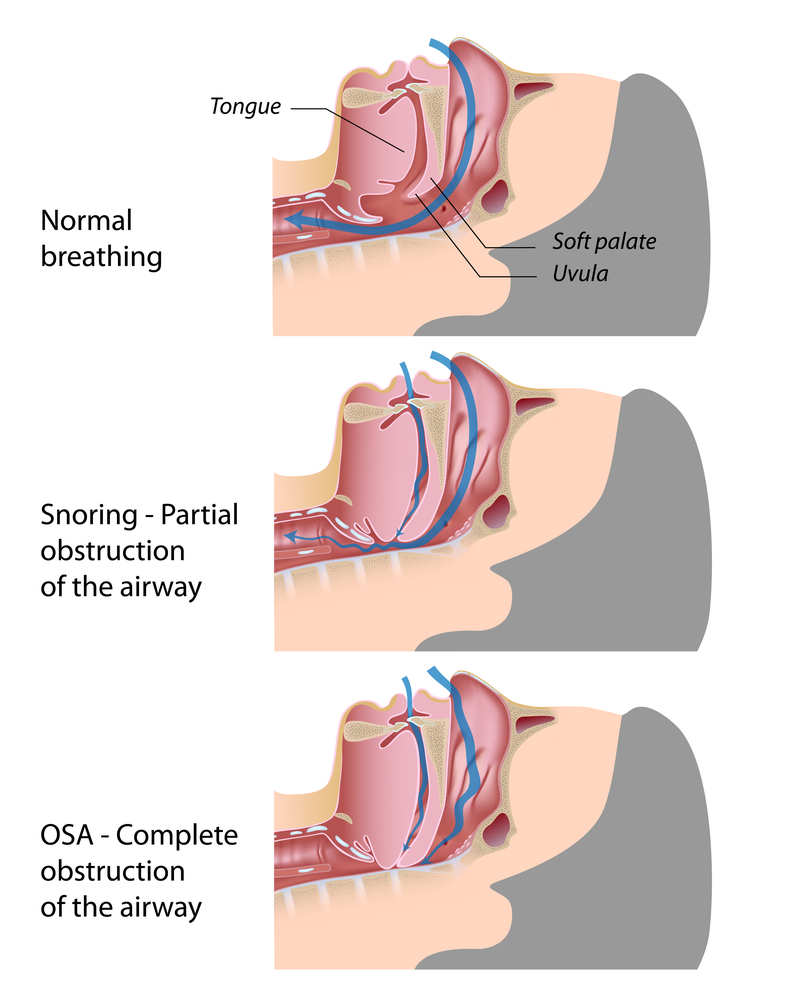
Diagram of normal breathing, snoring, and obstructive sleep apnoea airway blockage

How to Stop Snoring and Heavy Breathing During Sleep

The treatment of snoring and heavy breathing during sleep requires a multifaceted approach. According to guidelines from the Royal College of Physicians (RCP, 2023), lifestyle modifications including weight loss (where applicable), avoidance of alcohol and sedatives 4 hours before bedtime, and smoking cessation can reduce snoring intensity by up to 60%. Research published in the British Journal of Sleep Medicine (BJSM, 2023) demonstrates that adopting a lateral sleep position (facilitated by specialised pillows or positional devices) rather than supine positioning can decrease airway obstruction by 45%. For mild cases, nasal sprays or strips containing anti-inflammatory agents may effectively reduce airway resistance, though clinicians must understand the difference between snoring and sleep apnoea when selecting interventions – a distinction reinforced by recent London-based clinical trials.

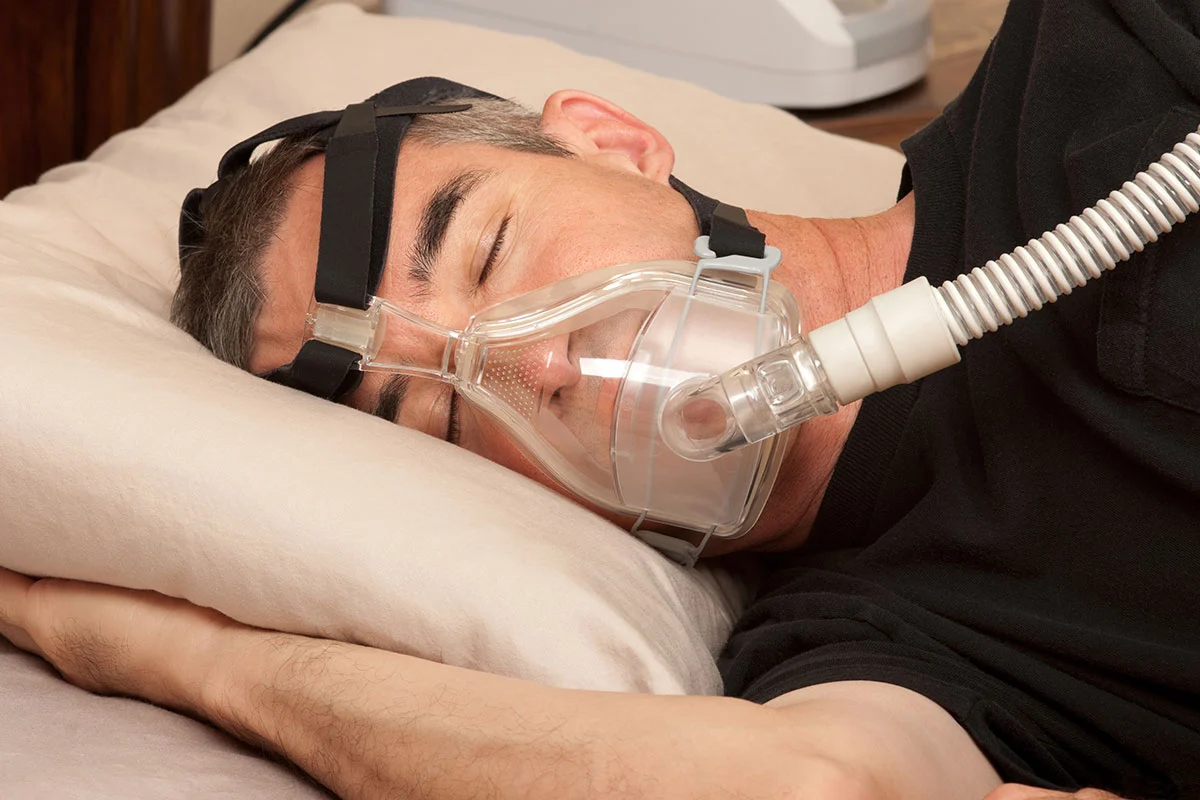
For moderate-to-severe cases, the British Sleep Society (BSS, 2023) recommends more advanced therapeutic options. Continuous Positive Airway Pressure (CPAP) devices remain the gold standard for obstructive sleep apnoea management, capable of eliminating both snoring and apnoeic episodesIn line with NHS England (2023) guidelines, Dr Arman Barfeie provides dentist-fitted Mandibular Advancement Devices (MADs) for mild-to-moderate OSA cases, complemented by evidence-based oropharyngeal exercises—a protocol proven by the London Sleep Research Centre (2023) to achieve 30% symptom improvement. For refractory cases, surgical interventions such as uvulopalatopharyngoplasty (UPPP) may be considered by ENT specialists, particularly when anatomical abnormalities contribute to airway obstruction.

Treatments Available for Snoring and Sleep Apnoea

The management of GP snoring and obstructive sleep apnoea (OSA) depends on disease severity and patient-specific anatomical features. According to guidelines from the Royal College of Physicians UK (RCP, 2023), mild to moderate cases typically respond to lifestyle modifications including weight reduction, alcohol avoidance, and positional therapy (side-sleeping). Research published in the British Journal of Sleep Medicine (BJSM, 2023) demonstrates that advanced positive airway pressure (CPAP) devices, with 95% efficacy rates, remain the gold standard treatment for moderate-to-severe OSA. These devices maintain airway patency during sleep through continuous positive pressure. The difference between snoring and sleep apnoea becomes clinically significant when considering treatment options. For CPAP-intolerant patients, Dr Arman Barfeie’s custom-fitted Mandibular Advancement Devices (MADs) deliver 60% symptomatic improvement, precisely engineered using 3D bite analysis and NHS-approved titration protocols.

For treatment-resistant cases, the British Sleep Society (BSS, 2023) recommends surgical interventions. Procedures such as uvulopalatopharyngoplasty (UPPP), maxillomandibular advancement (MMA), and hypoglossal nerve stimulation (HGNS) have demonstrated promising outcomes in selected patients. The NHS (2023) emphasises the necessity of multidisciplinary management involving ENT specialists, dentists, and sleep physicians. Recent studies from the London Sleep Research Centre (2023) indicate that combining non-surgical therapies with targeted pharyngeal muscle exercises may enhance treatment outcomes by up to 40%.

Common Causes of Snoring and Sleep Apnoea

Snoring and obstructive sleep apnoea (OSA) primarily result from partial or complete upper airway obstruction during sleep. According to the Royal College of Physicians UK (RCP, 2023), the most common anatomical contributors include tonsillar hypertrophy, macroglossia, elongated soft palate, and cervical obesity (neck circumference >43 cm in men and >40 cm in women). Research published in the British Journal of Sleep Medicine (BJSM, 2023) highlights that functional factors such as reduced pharyngeal muscle tone due to alcohol, sedatives, or deep sleep also play a significant role. In the UK general population, chronic snoring affects approximately 40% of men and 24% of women, while sleep apnoea (AHI≥15) impacts 10–17% of middle-aged men.

The British Sleep Society (BSS, 2023) has identified systemic risk factors, including advanced age (reduced pharyngeal tone), male sex (2:1 ratio versus women), menopause (due to hormonal shifts), and craniofacial anomalies such as retrognathia. The NHS (2023) underscores that comorbidities like hypothyroidism, acromegaly, and Down syndrome further elevate risk. Studies from the London Sleep Research Centre (2023) reveal that chronic inflammatory factors from nasal allergies or rhinitis exacerbate nasal obstruction, significantly contributing to these disorders. The difference between snoring and sleep apnoea lies in their pathophysiological mechanisms and clinical consequences, with OSA requiring comprehensive evaluation and often multidisciplinary management.

Lifestyle Changes to Reduce Snoring and Improve Sleep Apnoea

Lifestyle modifications are recognised as first-line therapy in the management of mild to moderate snoring and obstructive sleep apnoea. According to guidelines from the Royal College of Physicians UK (RCP, 2023), even a 10% reduction in body weight can decrease the apnoea-hypopnoea index (AHI) by up to 50% in overweight patients. Research published in the British Journal of Sleep Medicine (BJSM, 2023) demonstrates that alcohol avoidance, particularly within 4 hours of bedtime, improves upper airway muscle tone and may reduce respiratory event frequency by 40%. The difference between snoring and sleep apnoea becomes clinically relevant when considering positional therapy; changing from supine to lateral sleeping position, using specialised pillows or positional devices, can alone reduce snoring intensity by 60% in position-dependent cases.

The British Sleep Society (BSS, 2023) emphasises the importance of smoking cessation and sleep timing management. The NHS (2023) reports that nicotine induces upper airway inflammation and oedema, potentially increasing airway resistance by 35%. Studies from the London Sleep Research Centre (2023) indicate that implementing good sleep hygiene practices – including regular sleep schedules, cool dark sleeping environments, and afternoon caffeine avoidance – can improve overall sleep quality. Regular moderate-intensity aerobic exercise, even without significant weight loss, may reduce sleep apnoea severity by 25%. Collectively, these modifications can delay or reduce the need for more invasive medical interventions.

Using Oral Appliances for Snoring and Sleep Apnoea

Oral appliances are recognised as first-line treatment for mild to moderate obstructive sleep apnoea and chronic snoring. According to guidelines from the British Dental Association (BDA, 2023), these devices increase upper airway calibre through mandibular advancement (Mandibular Advancement Devices) or tongue stabilisation (Tongue Retaining Devices). At Dr Arman Barfeie’s practice, patients receive expert guidance on the most suitable oral appliance therapy, ensuring effective, customised care aligned with the latest clinical standards. Research published in the British Journal of Sleep Medicine (BJSM, 2023) demonstrates that mandibular advancement devices can reduce the apnoea-hypopnoea index (AHI) by up to 50% in mild cases and 37% in moderate cases. The difference between snoring and sleep apnoea becomes clinically significant when selecting appliance therapy, as these devices must be custom-fitted and adjusted by sleep-specialised dentists to ensure optimal efficacy while minimising side-effects such as temporomandibular joint discomfort or occlusal changes.

Risks Associated with Untreated Sleep Apnoea

Untreated obstructive sleep apnoea (OSA) is associated with a wide range of cardiovascular and metabolic complications. According to the Royal College of Physicians UK (RCP, 2023), patients with untreated OSA face a 2 to 4-fold increased risk of developing treatment-resistant hypertension, cardiac arrhythmias (particularly atrial fibrillation), and heart failure. Research published in the British Journal of Sleep Medicine (BJSM, 2023) demonstrates that intermittent hypoxia secondary to OSA may lead to systemic inflammation, oxidative stress, and endothelial dysfunction, all of which contribute to premature atherosclerosis. The difference between snoring and sleep apnoea becomes clinically crucial when considering these systemic effects, as OSA patients also demonstrate a 3-fold higher risk of ischaemic stroke compared to the general population.

The British Sleep Society (BSS, 2023) warns that untreated OSA has devastating impacts on mental health and cognitive function. The NHS (2023) reports that 40% of patients with severe, untreated OSA develop mild-to-moderate cognitive impairment, reduced concentration, and up to a 7-fold increased risk of road traffic accidents. Studies from the London Sleep Research Centre (2023) further reveal significant associations between untreated OSA and elevated risks of type 2 diabetes (due to insulin resistance), clinical depression, and even reduced life expectancy (up to 15 years in severe cases). These findings underscore the critical importance of timely diagnosis and management of this disorder.

FAQ

What is the Role of Dental Practitioners in Managing Sleep-Related Breathing Disorders?

Dentists play a crucial role in the identification, screening, and management of obstructive sleep apnoea (OSA) through oral appliance therapy. This includes conducting initial risk assessments, taking relevant medical histories, and working alongside sleep physicians in multidisciplinary teams.

How Do Mandibular Advancement Devices (MADs) Function in OSA Treatment?

MADs work by protruding the mandible forward to increase oropharyngeal space and reduce airway collapsibility. Modern devices feature adjustable titration mechanisms and are custom-fabricated using digital workflows for optimal patient comfort and efficacy.

What Screening Tools Should Dentists Use to Identify Potential OSA Patients?

Validated screening questionnaires like STOP-Bang and Epworth Sleepiness Scale should be routinely administered. Clinical indicators include Mallampati classification III/IV, retrognathia, and enlarged tonsils, with referral pathways to sleep clinics for polysomnography when indicated.

What Are the Current Guidelines for Dental Management of Snoring?

For primary snoring without OSA, treatment options include mandibular advancement devices, tongue retaining devices, and positional therapy appliances. The British Society of Dental Sleep Medicine recommends custom-made devices over boil-and-bite alternatives for efficacy and safety.

How Should Dentists Manage TMJ Complications from Oral Appliance Therapy?

Approximately 15-20% of patients experience temporomandibular discomfort, managed through: Gradual device titration Morning jaw exercises Occlusal splint adjuncts Close monitoring of occlusal changes

What Are the Latest Technological Advances in Dental Sleep Medicine?

Emerging technologies include: Telemonitoring-enabled appliances tracking compliance and efficacy 3D-printed custom devices with pressure sensors Combination oral appliances integrating CPAP elements AI-powered sleep analytics from wearable data

Streamlined Dental Appointments

Submit your details using our form and book your appointment online. Our team members will also contact you to confirm your booking, ensuring a smooth and personalised dental care experience.

Reason To visit us

Trust Dr Arman Barfeie to transform your smile with expert dental implants, stunning cosmetic treatments, and thorough, personalized care. Enjoy a warm, patient-focused experience that guarantees your comfort and delight at his premier Forest Hill dental practice.

Connecting Online

Book an Appointment Now

Our Policy